Capability

Pattern making for a fit that repeats in every run.

Production
Selected projects from 50 pieces
Kraft paper patterns hanging from metal hooks above a cutting table

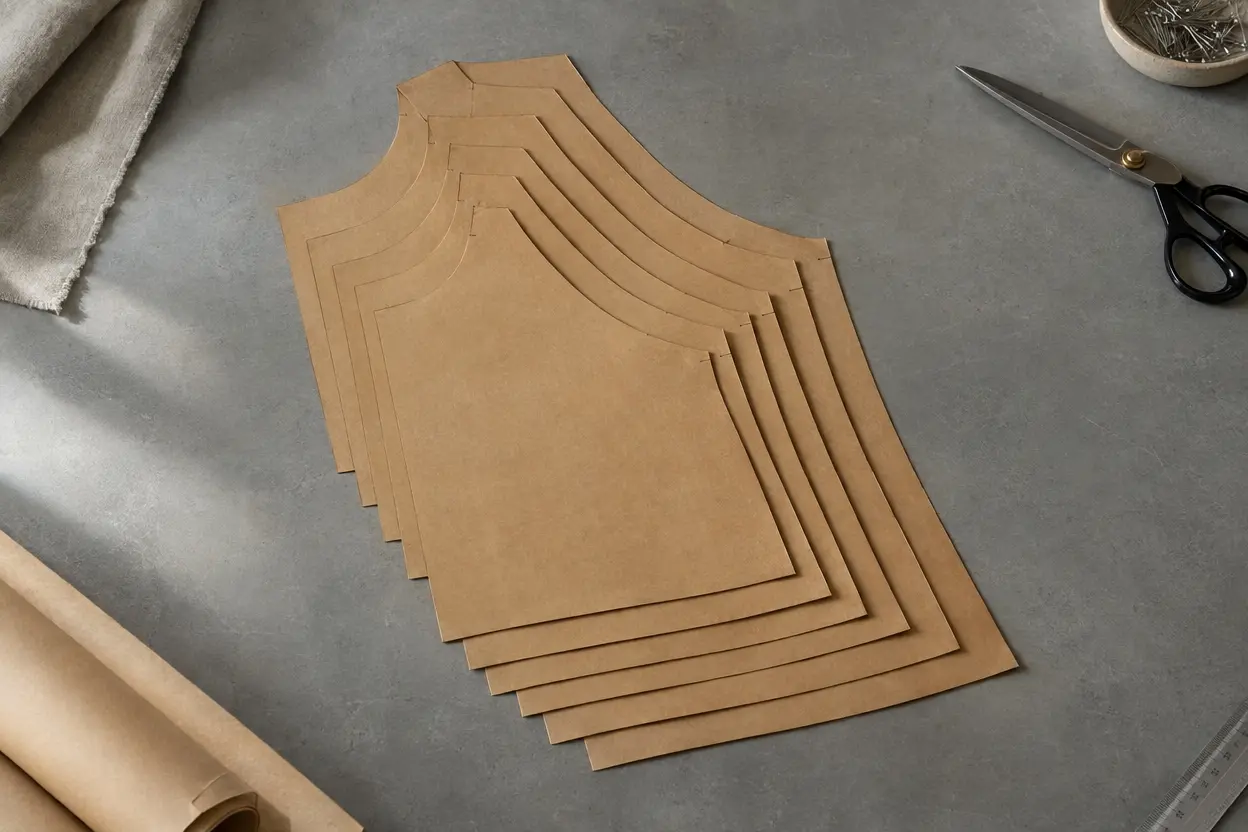
The pattern translates the design and measurement chart into the pieces that are cut from fabric. Shrinkage and stretch of the chosen fabric are built in at this stage.

Basis
Tech pack or reference garment
Stored for repeat orders
Yes

In detail

  1. 01

    Patterns are kept on file, so repeat orders are cut from the same approved pattern.

Designs made by us

Choose a design as your starting point. We make it in your colours, fabrics and branding.

Your colours. Your fabrics. Your branding. Request a quote → 87 See all 87 designs

Production from

50 pieces per style

Every quote

Written, priced per piece

Before bulk

You approve a sample

A pattern is the flat shape of a garment, and every fit problem starts there

A garment is a three-dimensional object made from flat pieces of cloth, and the pattern is what defines those pieces. Every curve, dart, seam allowance and notch decides how the fabric will sit on a body. A pattern that is slightly wrong produces a garment that pulls, gapes or twists, and no amount of good sewing can fully fix it.

This page explains what pattern making involves, how a pattern is built from a drawing or a reference garment, how it connects to fit and grading, and how we work with you to get a pattern that you approve once and can reuse for every order.
Have a design or an idea?

Send it and get a written quote.

Request a quote

What pattern making involves

Pattern making turns a design into cutting pieces.

  • Reading the design sketches, tech pack or reference garment.
  • Drafting the pieces front, back, sleeves, collars, pockets and trims.
  • Adding allowances seam allowances, hems and any shrinkage allowance.
  • Marking notches, grain lines, button positions and pocket placements.
  • Checking measuring the pieces against the specification.

The result is a set of pattern pieces that can be cut and sewn into a first sample.

From a drawing, a reference or an existing block

There are several routes to a pattern, and the right one depends on what you have.

  1. 01

    From a tech pack and measurements, built from scratch.

  2. 02

    From a reference garment, which we measure, take apart if needed and analyse.

  3. 03

    From an existing block, such as a standard t-shirt or hoodie fit, adjusted to your design.

  4. 04

    From your own patterns, if you already have them in a usable format.

Using a proven block is often the fastest way to a good fit, with changes made for your proportions and details. Building from scratch gives full control and suits more distinctive designs.

Fit, ease and fabric behaviour

A pattern is not only a shape but a calculation of how much room the garment gives the body. Ease is the difference between the body measurement and the garment measurement, and it changes with the style: close-fitting, regular, relaxed and oversized all use different ease.

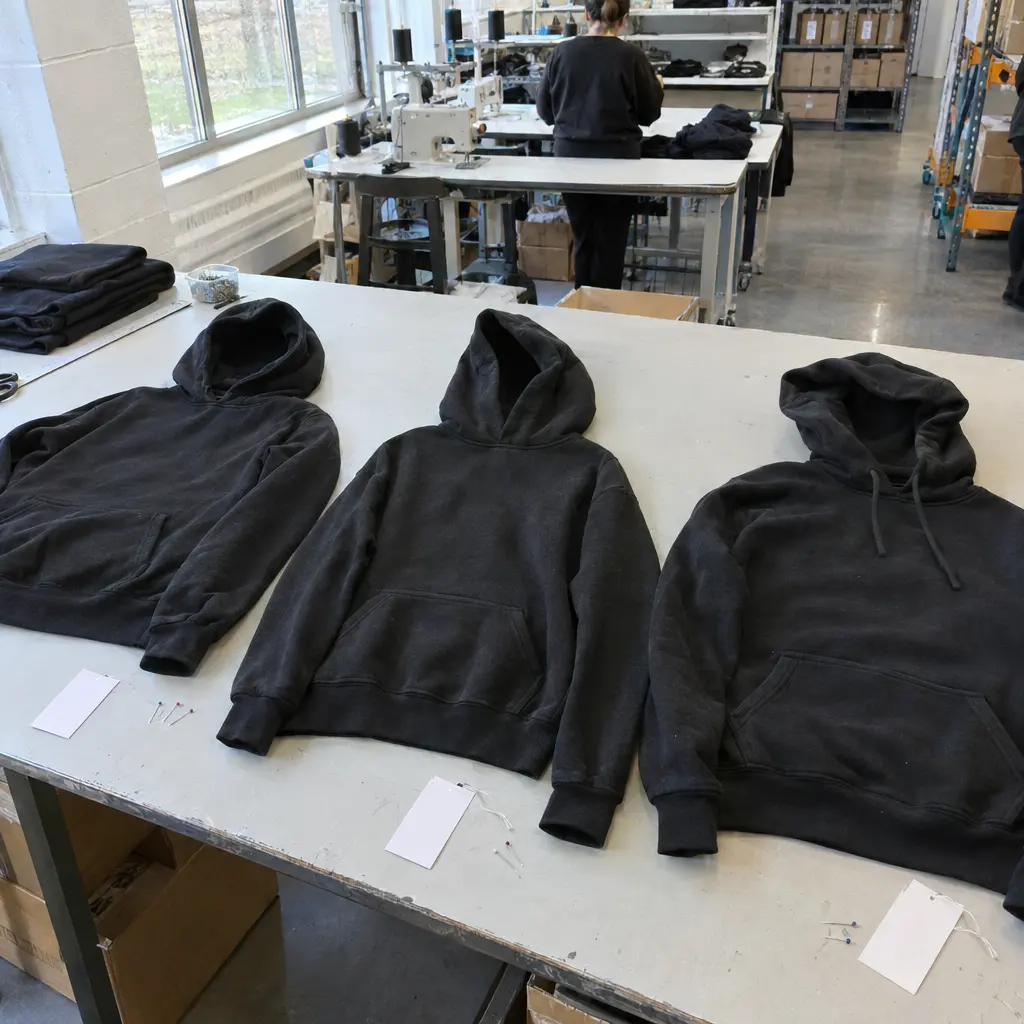
We account for fabric stretch, drape and shrinkage when building the pattern, and we review the first sample to check that the fit matches the intent.

See the garment before you commit.

Order a physical sample in your fabric and fit. Bulk production starts only after you approve it.

Patterns for knits, wovens and stretch

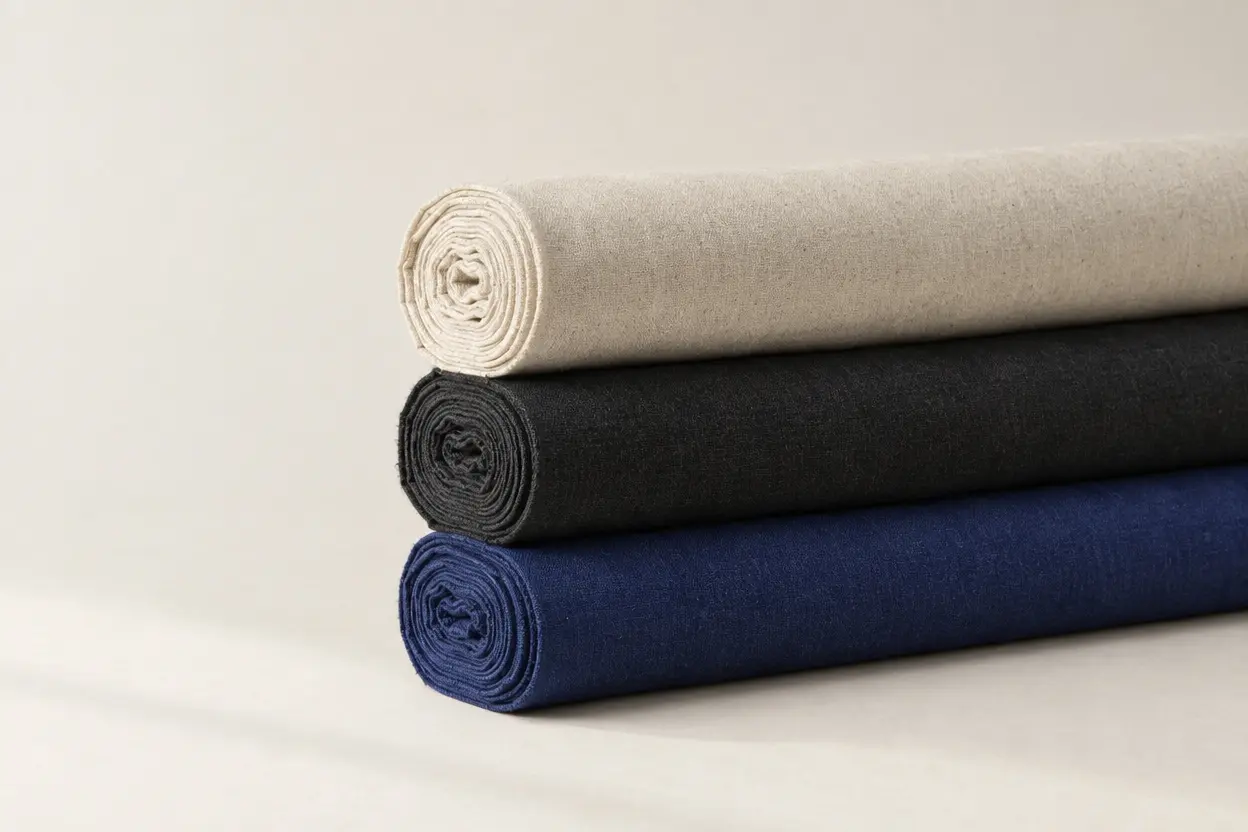
Knit and woven fabrics need different approaches. Knits stretch, so patterns for fitted knit garments are often smaller than the body, using negative ease. Wovens do not stretch, so they need enough room to move, with darts, pleats or shaping to fit. Stretch wovens sit between the two.

Shrinkage matters in both. We build in allowances based on the fabric's wash behaviour, and we check the finished size after washing a sample. This is particularly important for cotton and for garments that will be washed often.

Digital patterns and reuse

We keep patterns in digital form, which makes them easy to adjust, grade and store. A digital pattern can be revised after sample comments without being redrawn, graded across the size range and reused for every reorder. It also reduces fabric waste, because pieces can be laid out efficiently on the cloth.

Your approved pattern is kept on file so that a reorder starts from the same shape. If you want to change something, such as a sleeve length or pocket position, the pattern is updated and the revision is recorded.

How pattern making fits the process

Pattern making sits between the tech pack and the sample. The tech pack describes what you want, the pattern turns it into pieces, the first sample shows how it behaves in cloth, and fit comments feed back into the pattern. This loop repeats until you approve the sample.

After approval, the pattern is graded across the sizes you plan to sell, and it becomes the basis for cutting. Our grading, custom sizing and sample development pages explain these steps in more detail.

How a pattern grows out of your reference

From a reference garment, a sketch or a tech pack, a pattern emerges in several steps. First, the parts and measurements are captured, then the base shape is constructed and seam allowances are set. A first sample follows and is checked on a person. Feedback goes into the pattern until fit and appearance are right. The pattern is then graded, so that the whole size range stays consistent.

Fabric properties play a part. A stretch fabric needs different allowances from a woven one, and shrinkage from washing is planned in. Construction and the effort of the seams also influence the pattern. We document the approved pattern, so that reorders come out identical. Sending a reference garment usually saves a sample round, because measurements and proportions can be taken directly.

Start with a design or a reference garment

Send us your sketches, tech pack or a reference garment, together with the fabric and sizes you have in mind. We will respond in writing with questions and a suggested route. A development sample is the clearest way to judge a pattern, and made-to-order starts from 50 pieces per style.

Process

From first message to delivery.

Six steps, each confirmed in writing. Nothing goes into bulk production before you approve the sample.

  1. 01

    Enquiry

    Send your idea, tech pack or a reference garment through the quote form or by email.

    Day 1

  2. 02

    Quote and tech pack

    We confirm fabric, sizes, decoration and price per piece in writing.

  3. 03

    Sample

    A physical sample in your fabric and fit, sent to you for review.

  4. 04

    Approval

    You approve the sample or request changes. Bulk production starts only after your approval.

  5. 05

    Production and quality checks

    Bulk production with quality checks against the approved sample.

  6. 06

    Delivery

    Packed to your specification and shipped to your delivery address.

Inventory

Need garments now? Buy from inventory.

  • From 1 piece, any size or colour
  • Ready garments in our German warehouse
  • Live piece counts per size and colour
  • One quote request for the whole basket

Production

Your own design? Produce with us.

  • Selected projects from 50 pieces
  • Start from a sketch, tech pack or reference garment
  • Physical sample before bulk production
  • Every step confirmed in writing

Talk to us

Tell us what you need

Two lines are enough to start. A person on our team reads every message and replies in writing. We reply in writing within 24 hours.

Need to give quantities and a product category? Request a quote

Send us your brief. Get a clear answer.

Quantity, fabric, decoration and timeline. We confirm in writing what is possible, what it costs per piece and when it ships.