
Capability

Inspection, in-line and final, AQL based.

Production
Selected projects from 50 pieces
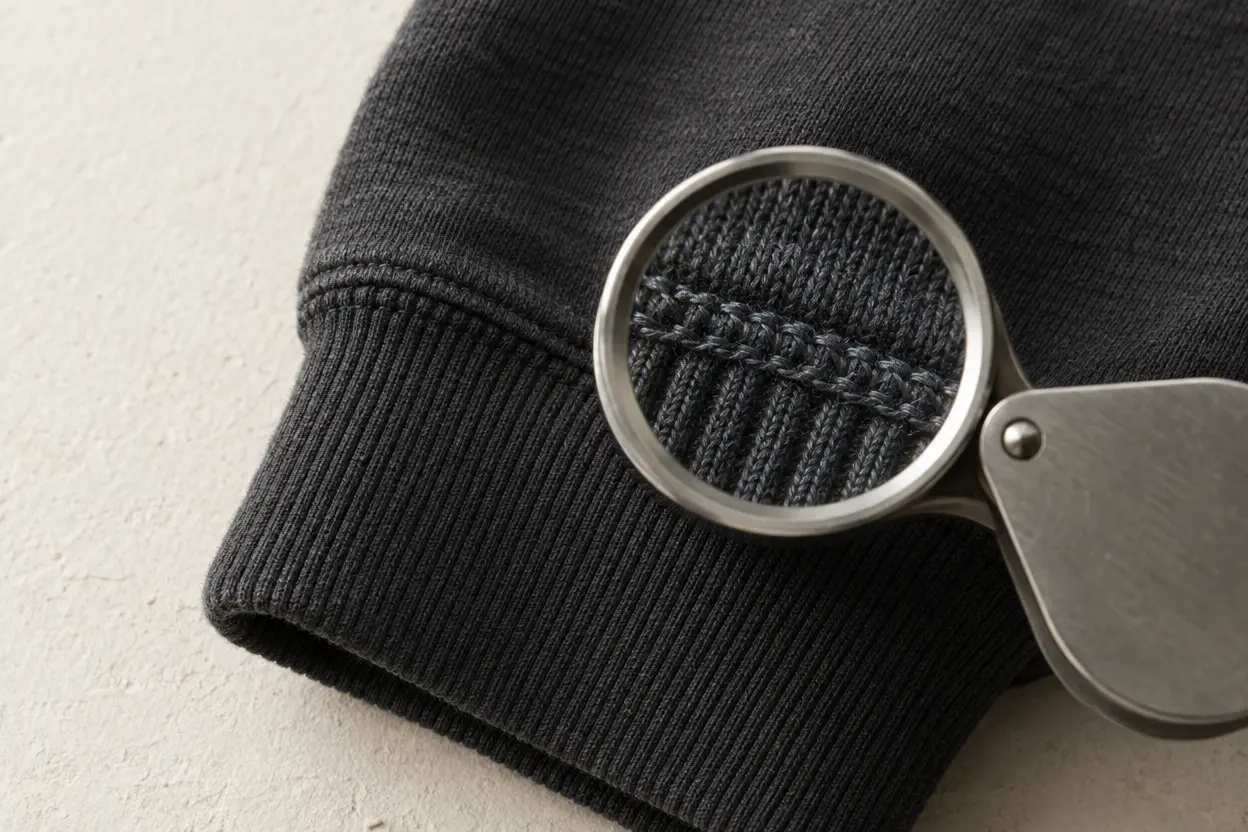
A hand turning a black hoodie inside out under an inspection lamp to check the seam

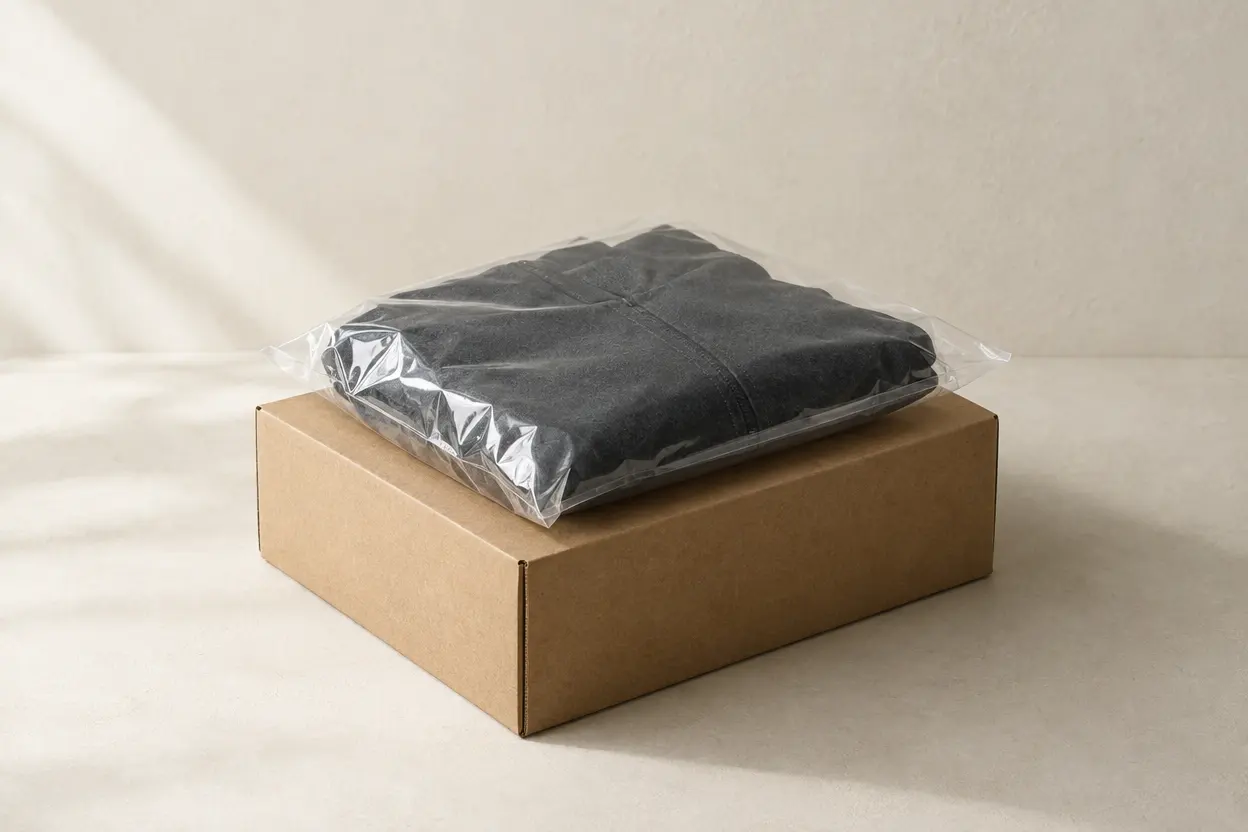
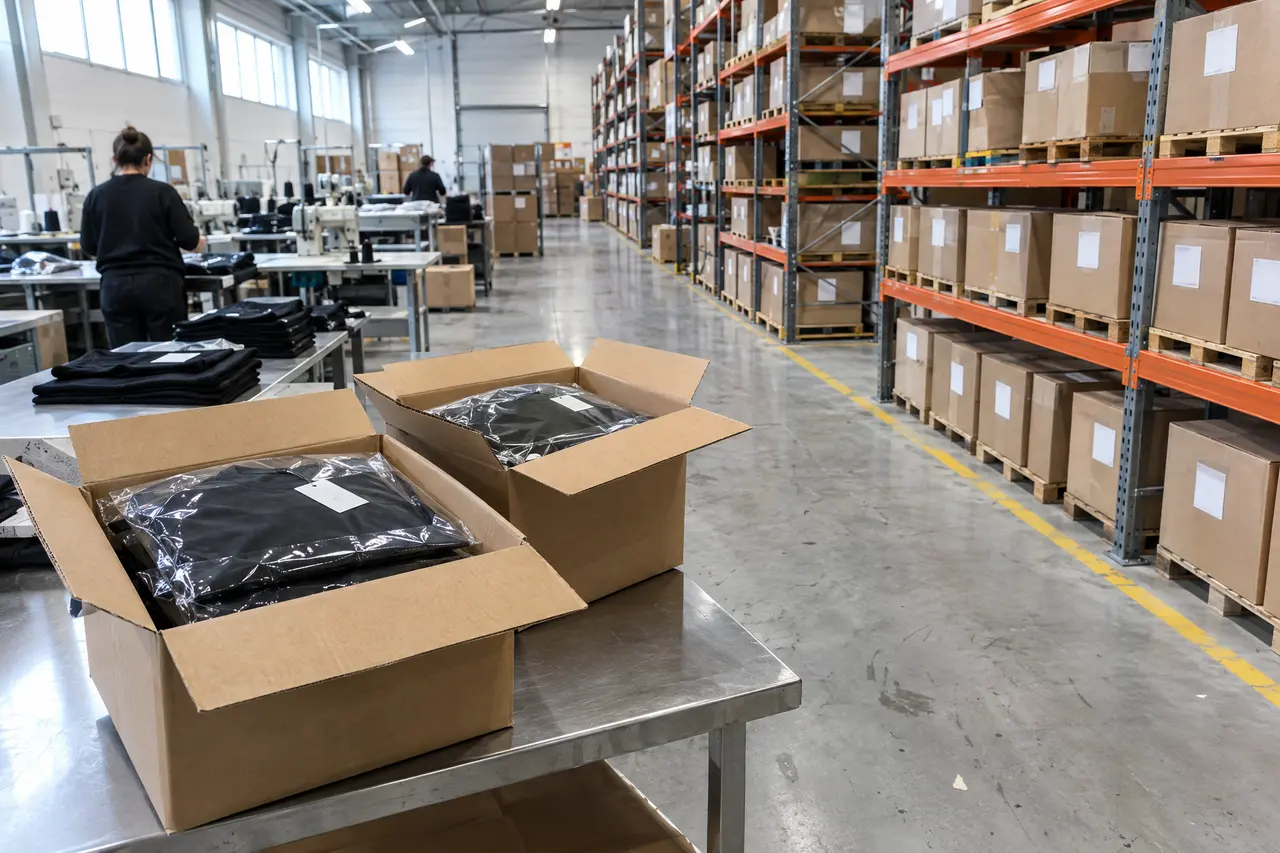
In-line inspection checks garments during production, so a construction issue is caught before the whole run is sewn. Final inspection samples the completed and packed order against AQL 2.5 before it ships.

Stages
In-line, final
Report
Available on request

In detail

  1. 01

    An inspection report with photos and measurements is available on request for every order.

Production from

50 pieces per style

Every quote

Written, priced per piece

Before bulk

You approve a sample

Inspection that checks finished garments against your specification before they ship

Inspection is the final check of finished goods against the agreed specification, the approved sample and the quality standard. It answers one question: does this order match what you bought? A well-run inspection looks at measurements, appearance, construction, labelling, packing and quantity, records what it finds and gives you evidence to decide whether to accept the order, request rework or hold the shipment.

This page explains the inspection stages, what is checked, how sampling works, how results are reported, what to do when problems are found and how inspection fits with quality assurance and testing. It is written for brand owners and buyers who want to know what is in the carton before it leaves. We arrange inspection as part of a complete garment order, and you can also arrange your own independent inspector if you prefer.
Have a design or an idea?

Send it and get a written quote.

Request a quote

The stages of inspection

Inspection can happen at several points, and each has a different purpose.

  1. 01

    Pre-production check confirms that materials, trims and the approved sample are in place before bulk begins.

  2. 02

    In-line inspection checks garments during sewing, when issues are still easy to fix.

  3. 03

    Pre-shipment inspection a final check on finished, packed goods, usually when most of the order is complete.

  4. 04

    Loading check confirms that the right cartons are loaded and marked correctly.

The pre-shipment inspection is the most widely used, but earlier checks reduce the chance of finding a large problem at the end.

What is checked

A thorough final inspection covers more than a quick look. The checklist is agreed in advance and typically includes the points below.

  • Quantity and assortment the right number of pieces in the right sizes and colours.
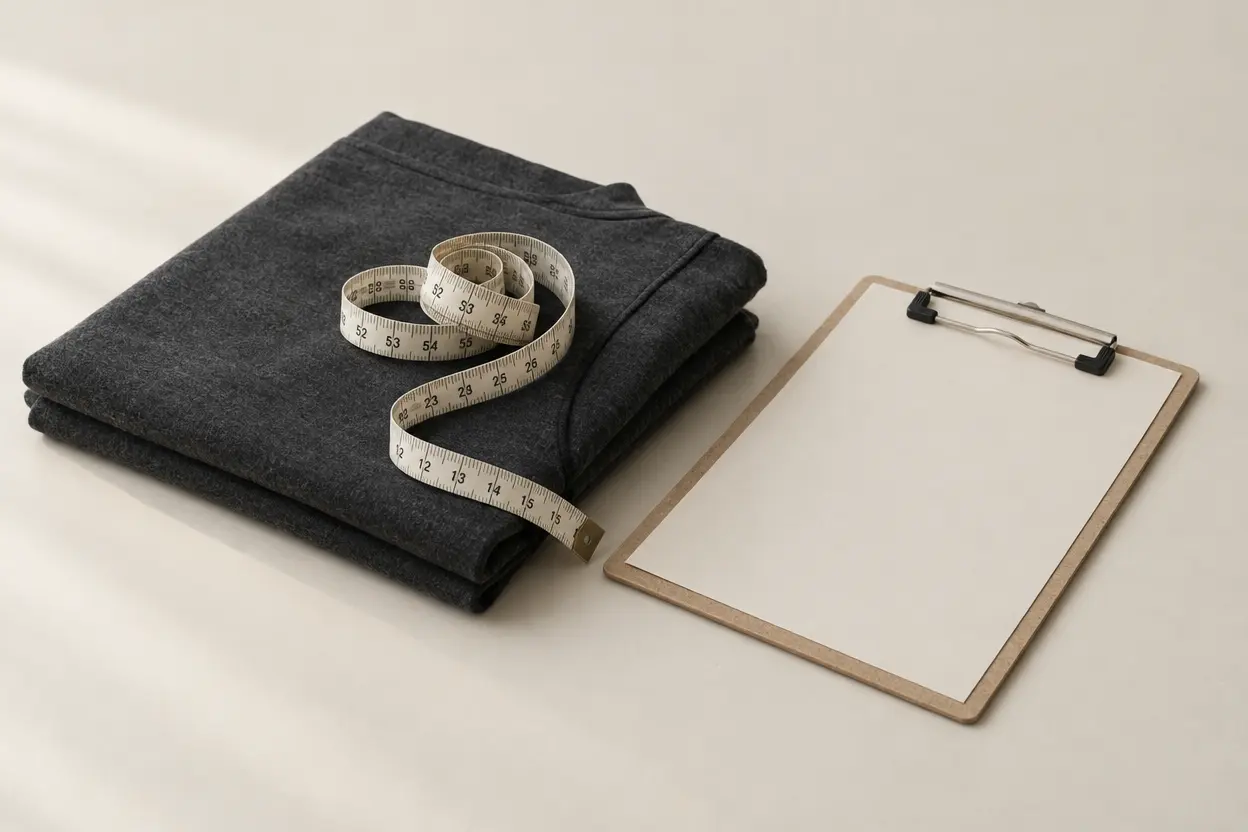
  • Measurements key points checked against the size chart and tolerances.
  • Appearance and workmanship stitching, seams, stains, holes, shade variation and finishing.
  • Decoration print, embroidery and labels checked for placement, quality and accuracy.
  • Labels and tags content, position and attachment checked against your approved text.
  • Packing and carton marks folding, bags, barcodes and shipping marks.

We agree the checklist with you before inspection starts, so that expectations are clear.

How sampling works

Checking every piece of a large order is usually not practical, so inspection uses a sampling plan. A random sample of pieces is drawn from the finished goods, and the number of defects found is compared with the number the plan allows. If the count is within the limit, the order is accepted. If it is above the limit, the order fails, and rework or sorting is needed.

The sample size depends on the order size and the agreed quality level. A stricter level means more pieces checked and fewer defects allowed. We agree the plan with you in advance, and we explain how the result is interpreted. For small orders, we can check a larger share or all pieces.

See the garment before you commit.

Order a physical sample in your fabric and fit. Bulk production starts only after you approve it.

Reporting and evidence

An inspection is only useful if the result is clear. A report should state what was checked, how many pieces were sampled, what defects were found, how they were classified and what the outcome was. Photos and measurements support each finding.

We share the report with you, with photographs of any defects, measurement records and the final verdict. You can then decide whether to accept, request rework or ask for a re-inspection. The report is also kept on file, so that repeat orders can use the same standard and learn from the earlier result.

When problems are found

If inspection finds defects above the allowed level, the next steps depend on the nature of the problem. Minor issues may be fixed by rework, such as trimming threads or re-pressing. More serious issues may need repair, replacement or sorting out the affected pieces. After the fix, the order can be re-inspected before it ships.

We tell you promptly what was found, explain the cause where we can and propose a solution. We do not hide problems or ship goods that fail the agreed standard without your decision. Where a defect cannot be fixed, we discuss the options with you openly, including a partial shipment or a replacement.

Inspection, testing and your own inspector

Inspection checks what can be seen and measured. Properties such as colourfastness, shrinkage or restricted substances need laboratory testing, which our laboratory testing coordination page explains. The two work together: testing proves properties, and inspection confirms that the finished goods match the tested sample.

If you prefer to use your own independent inspection company, we will give them access to the goods and the specification and cooperate with their process. Either way, we recommend that the checklist and the sampling plan are agreed before the inspection date.

Tell us what you need checked

Tell us the product, the quality standard you expect, any inspector you plan to use and the quantity. We will respond in writing with an inspection plan, what we need to confirm and how the sample step works. Made-to-order starts from 50 pieces per style. We sell to business customers only.

Process

From first message to delivery.

Six steps, each confirmed in writing. Nothing goes into bulk production before you approve the sample.

  1. 01

    Enquiry

    Send your idea, tech pack or a reference garment through the quote form or by email.

    Day 1

  2. 02

    Quote and tech pack

    We confirm fabric, sizes, decoration and price per piece in writing.

  3. 03

    Sample

    A physical sample in your fabric and fit, sent to you for review.

  4. 04

    Approval

    You approve the sample or request changes. Bulk production starts only after your approval.

  5. 05

    Production and quality checks

    Bulk production with quality checks against the approved sample.

  6. 06

    Delivery

    Packed to your specification and shipped to your delivery address.

Inventory

Need garments now? Buy from inventory.

  • From 1 piece, any size or colour
  • Ready garments in our German warehouse
  • Live piece counts per size and colour
  • One quote request for the whole basket

Production

Your own design? Produce with us.

  • Selected projects from 50 pieces
  • Start from a sketch, tech pack or reference garment
  • Physical sample before bulk production
  • Every step confirmed in writing

Talk to us

Tell us what you need

Two lines are enough to start. A person on our team reads every message and replies in writing. We reply in writing within 24 hours.

Need to give quantities and a product category? Request a quote

Send us your brief. Get a clear answer.

Quantity, fabric, decoration and timeline. We confirm in writing what is possible, what it costs per piece and when it ships.