Manufacturing

T-shirt manufacturer.

Production
Selected projects from 50 pieces
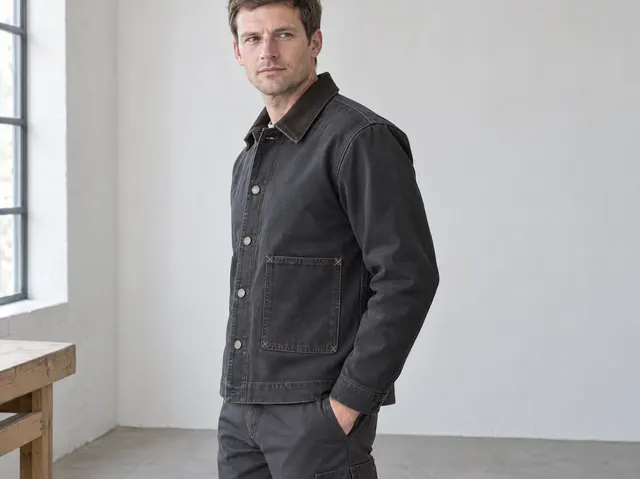
Two people wearing a cream T-shirt and a charcoal T-shirt

T-shirts are usually cut and sew from single jersey, typically 140 to 220 g/m² depending on weight and drape, in cotton, cotton-polyester blends or 100% cotton for a softer hand.

Fabric
Single jersey, 140 to 220 g/m²
MOQ
50 pieces per style per colour
Decoration
Screen print, DTG, DTF, embroidery

In detail

  1. 01

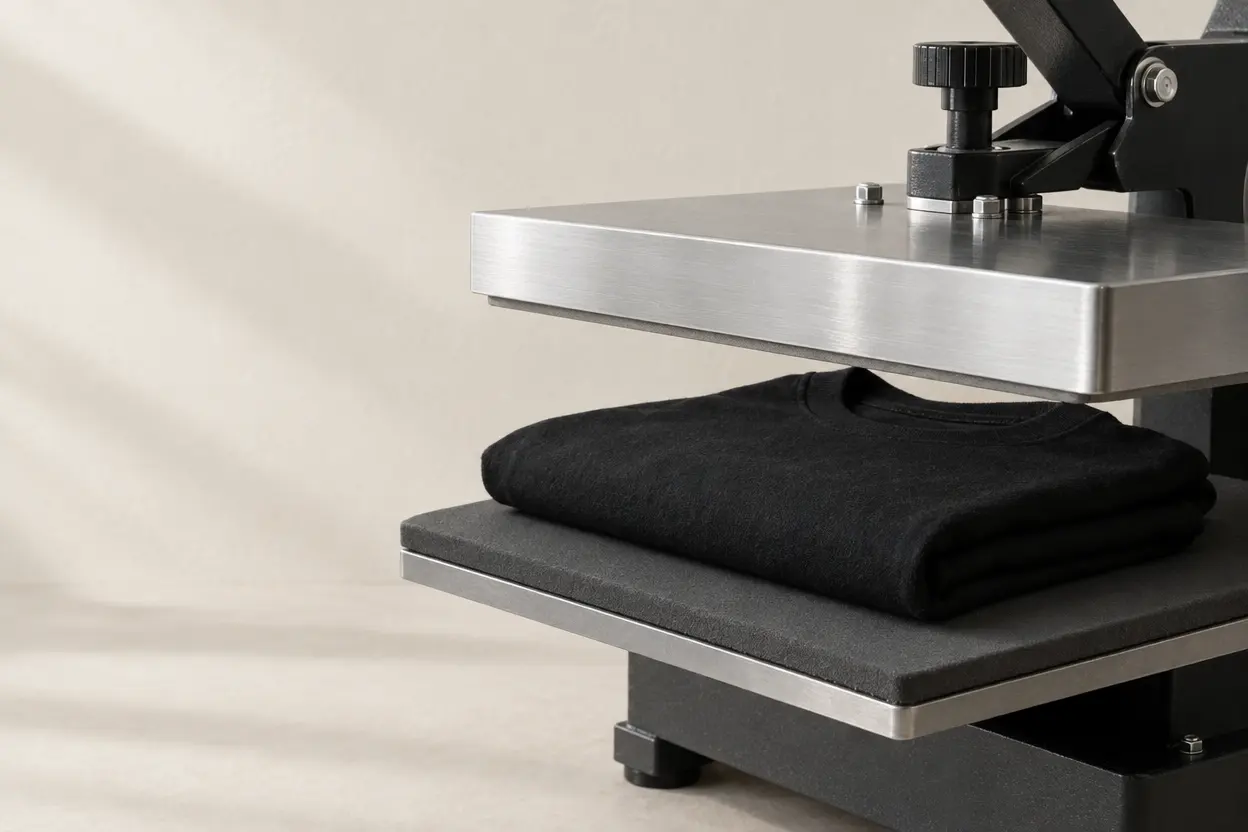
    Decoration options include screen printing for solid colours at volume, DTG or DTF for full-colour or small runs, and embroidery for logos.

Made by us: T-shirts and tops

Choose a design as your starting point. We make it in your colours, fabrics and branding.

Your colours. Your fabrics. Your branding. Request a quote → 87 See all 87 designs
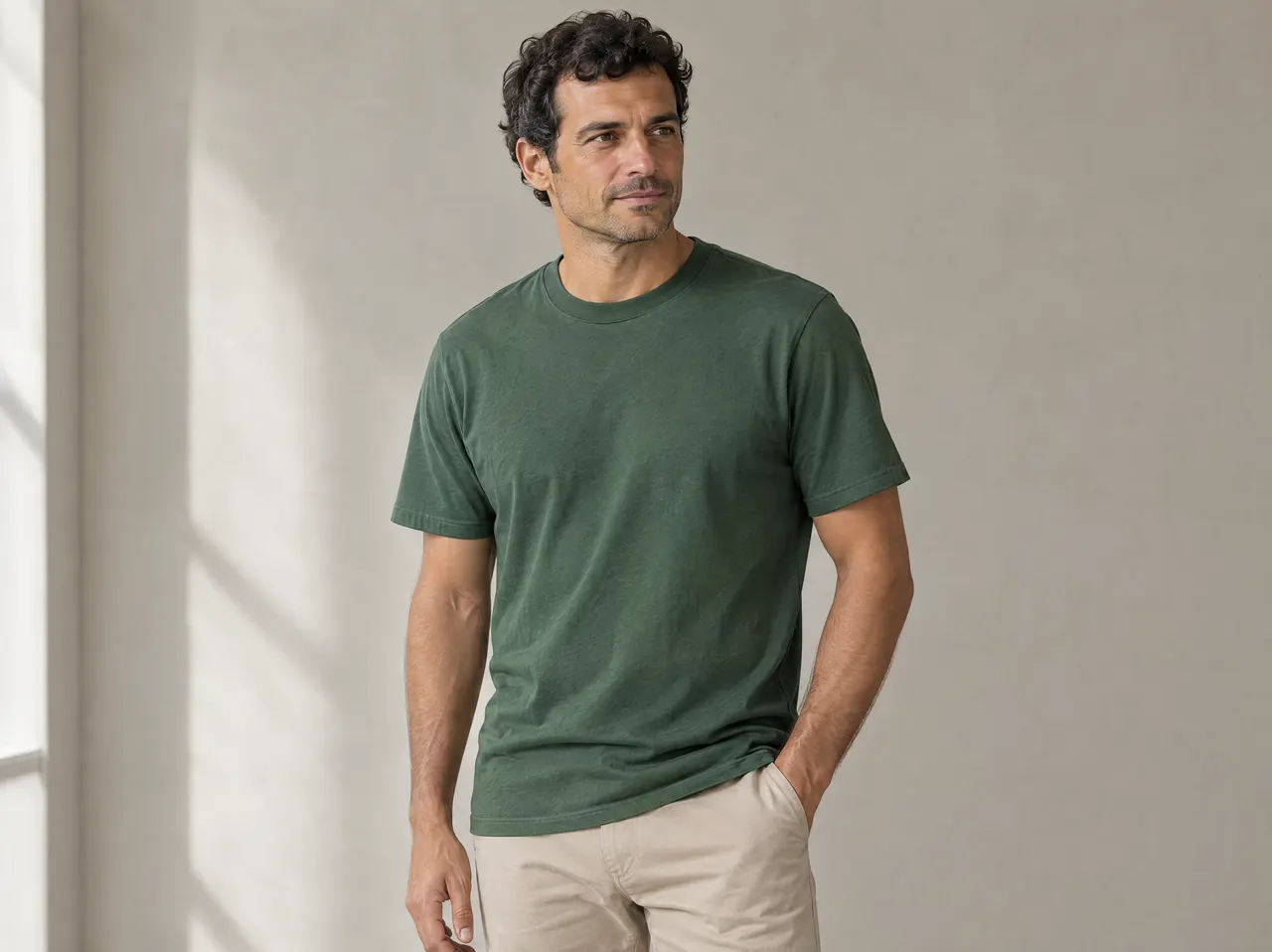
  • A man wearing a green T-shirt and beige trousers
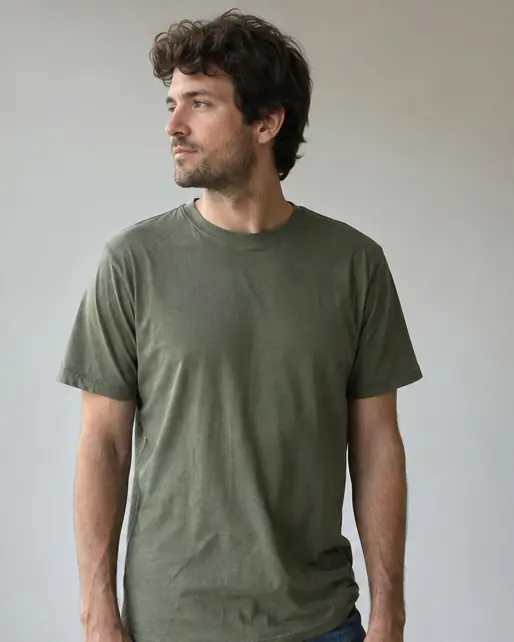
  • A man wearing a green T-shirt and jeans
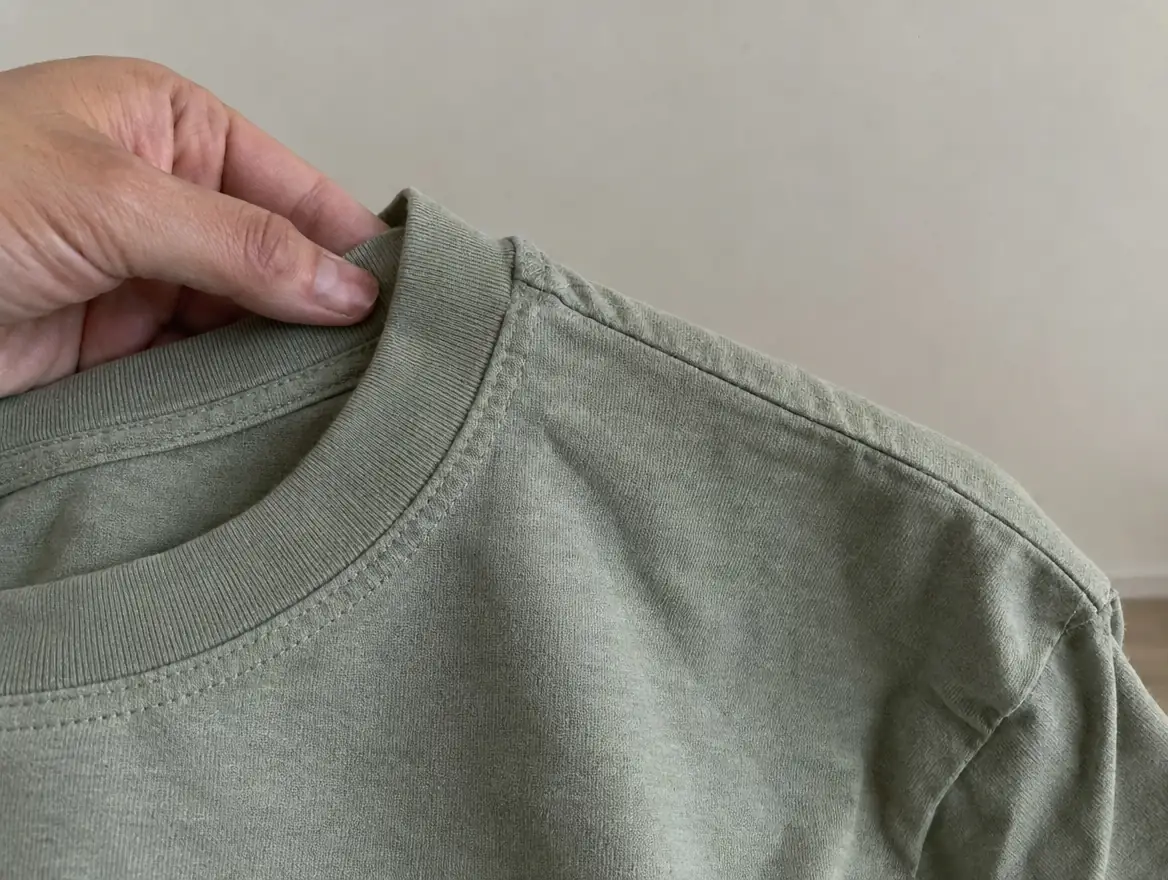
  • Close-up of the collar and shoulder seam of a green cotton jersey T-shirt held in a hand

Fits and cuts this guide covers

Fit
  • Regular
  • Slim
  • Relaxed
Length
  • Cropped
  • Long

Production from

50 pieces per style

Every quote

Written, priced per piece

Before bulk

You approve a sample

The t-shirt is the garment customers judge first

A t-shirt is the cheapest way for a customer to try your brand, and the first thing they will judge. They notice the fabric on their skin before they notice your logo, and they notice whether the neckline still sits flat after the third wash. A shirt that looks good in a photograph and twists after laundering costs you the repeat order.

That is why the plain t-shirt deserves a proper specification. Weight, yarn, collar rib, seam construction and wash behaviour are decisions you make once and then live with across every reorder.

This page walks through those decisions in the order a buyer meets them, so that you can brief us clearly and compare quotes fairly.

Have a design or an idea?

Send it and get a written quote.

Request a quote

Fabric: weight, yarn and hand feel

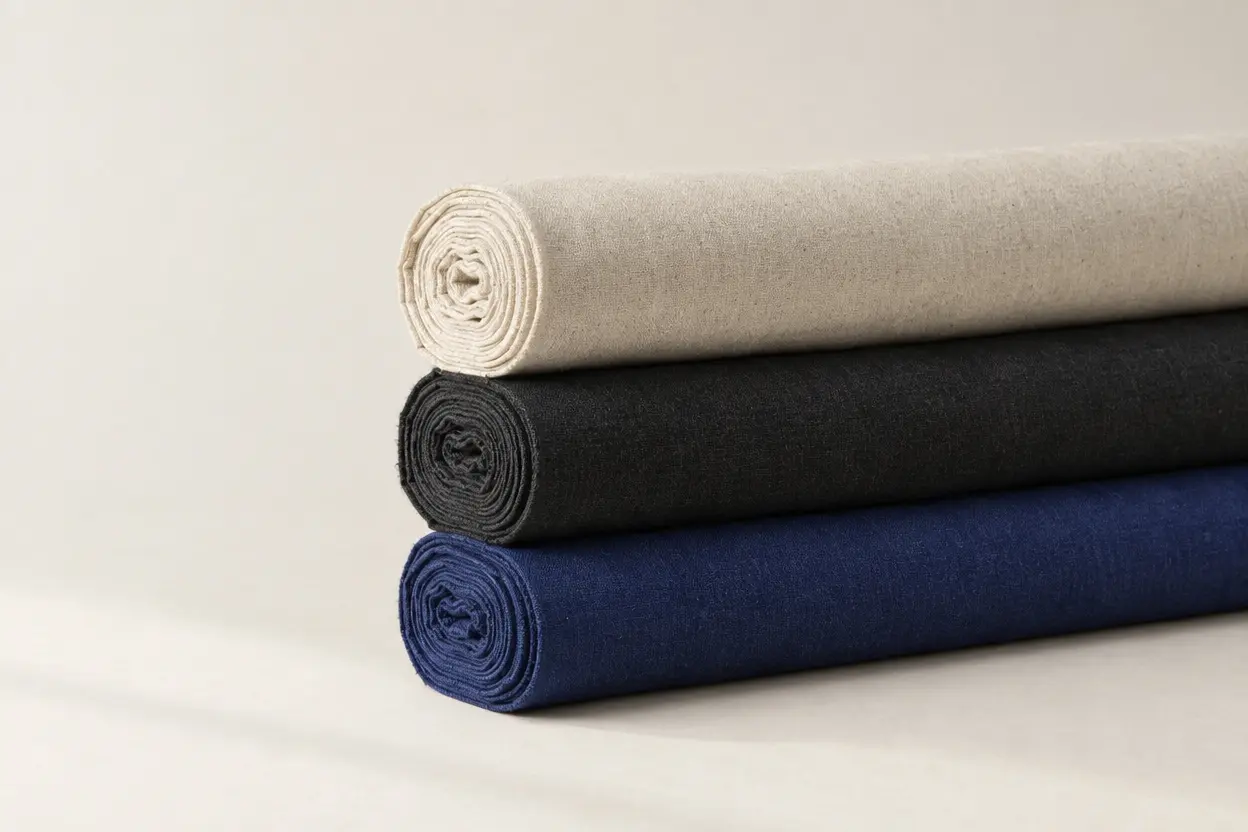
Most t-shirts are cut and sewn from single jersey, a knit with a smooth face and a slightly textured back. We work with weights from about 140 to 220 g/m², in cotton, cotton-polyester blends or 100% cotton for a softer hand.

  • Light, around 140 to 160 g/m² airy and drapey, suited to summer ranges and layering, but more translucent in light colours.
  • Medium, around 170 to 190 g/m² the all-round choice for promotional and everyday ranges.
  • Heavy, around 200 to 220 g/m² a structured, premium feel that holds its shape and shows less through the fabric.
  • Blends polyester adds stability and colour retention, cotton adds softness and breathability.

Construction details customers actually feel

Two shirts in the same fabric can feel very different because of how they are put together. These are the details worth deciding on purpose.

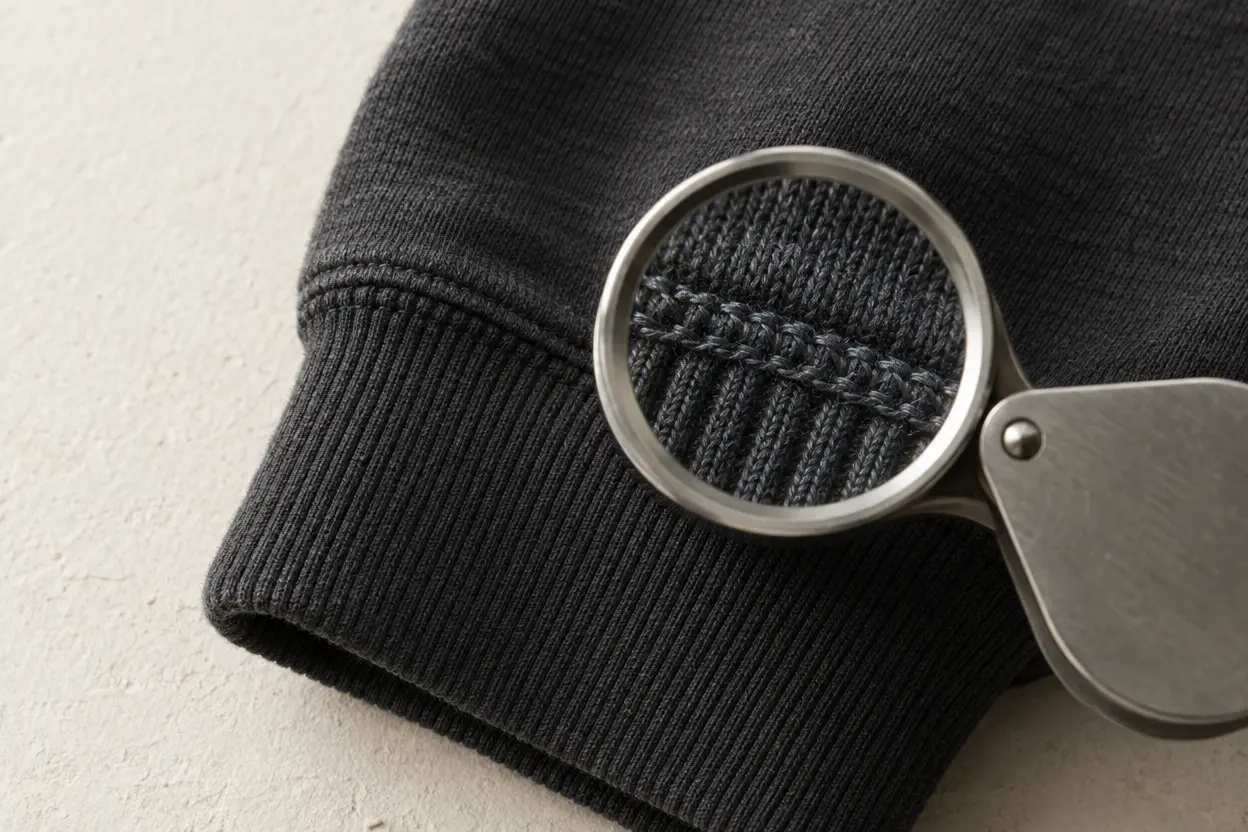
  • Neckline a rib collar with enough elastane keeps its shape, and a taped neck seam stops stretching and adds comfort.
  • Shoulders taped or reinforced shoulder seams reduce twisting and wear.
  • Body side seams give a more fitted shape, while a tubular body has no side seam and a different drape.
  • Hem and sleeves a clean double-needle finish looks neat and lasts through washing.
  • Labels a woven or printed neck label, or a heat transfer label with no neck seam label at all, which many customers now prefer.

Put each of these in your tech pack. If you do not have one, a reference shirt you like is enough for us to measure and document.

Fit and sizing that survive the size run

A shirt that fits in medium and fails in extra large teaches customers not to reorder. We grade your pattern across your size range so proportions stay consistent from the smallest to the largest.

Decide what fit means for your customer. Regular, slim or relaxed, cropped or long, with a sleeve length that matches the look. If you sell in a market with its own sizing habits, tell us early, because it is easier to build that into the grading than to correct it after the first order.

When you plan quantities, think about the size curve as well as the total. Most ranges sell more of the middle sizes than the extremes, so an even split leaves stock at the ends and shortages in the middle. We can suggest a sensible split for a first run.

See the garment before you commit.

Order a physical sample in your fabric and fit. Bulk production starts only after you approve it.

Decoration: matching the method to the artwork

The same logo can look sharp or flat depending on how it is applied, so choose the method together with the fabric.

  • Screen printing durable and cost effective for solid colours at volume.
  • DTG and DTF suited to detailed, multi-colour artwork and smaller runs.
  • Embroidery adds texture and a premium finish, suited to logos on the chest or sleeve.
  • Heat transfer, patches and appliqué useful for specific looks or small details.

Tell us the artwork, the colours and the quantity, and we will suggest the method that gives the right result. The decoration is confirmed in writing and shown on the sample before bulk production starts.

Shrinkage, washing and consistency across orders

Knit fabric moves when it is washed, and a t-shirt that shrinks by an uneven amount is a complaint waiting to happen. Fabric can be pre-treated to reduce shrinkage, and the remaining movement should be written down as a tolerance before production, so that everyone knows what is acceptable.

Colour is the other consistency risk. Fabric dyed in different batches can differ slightly in shade. If a shirt must match another garment in your range, or match a previous order, say so in the brief. We compare the bulk fabric to the approved sample before cutting, and we check the finished shirts against that same sample.

Minimum quantities and the stock route

T-shirt production starts from 50 pieces per style per colour. Fabric availability, the number of colours, the decoration and the packaging all move that number in practice, and we tell you where your shirt sits when we quote.

If you want to test before committing to production, we also hold ready garments in our German warehouse that businesses can order from 1 piece. The stock pages show live quantities per size and colour, which makes them a practical way to test a design with real customers or to bridge a gap while a production run is made.

How a t-shirt order runs

Every order follows the same careful path, and each step is confirmed in writing.

  1. 01

    Enquiry send your design, tech pack or a reference shirt.

  2. 02

    Written quote fabric, sizes, decoration and price per piece.

  3. 03

    Physical sample a real shirt for you to wear, wash and review.

  4. 04

    Your approval approve it or ask for changes. Bulk starts only after that.

  5. 05

    Production and checks finished shirts are compared to the approved sample.

  6. 06

    Inspection results and delivery you see the results before the goods ship.

Start with a quote or a sample

If you know what you want, send the details and we will quote in writing. If you are still choosing between weights, fabrics or decoration, say so instead and we will help you decide.

A quote and a sample are small, reversible steps. They give you real information about cost, fabric and finish before any bulk decision is made.

FAQ

Frequently asked questions

Short answers to what buyers ask us most. For anything else, ask us directly.

All questions
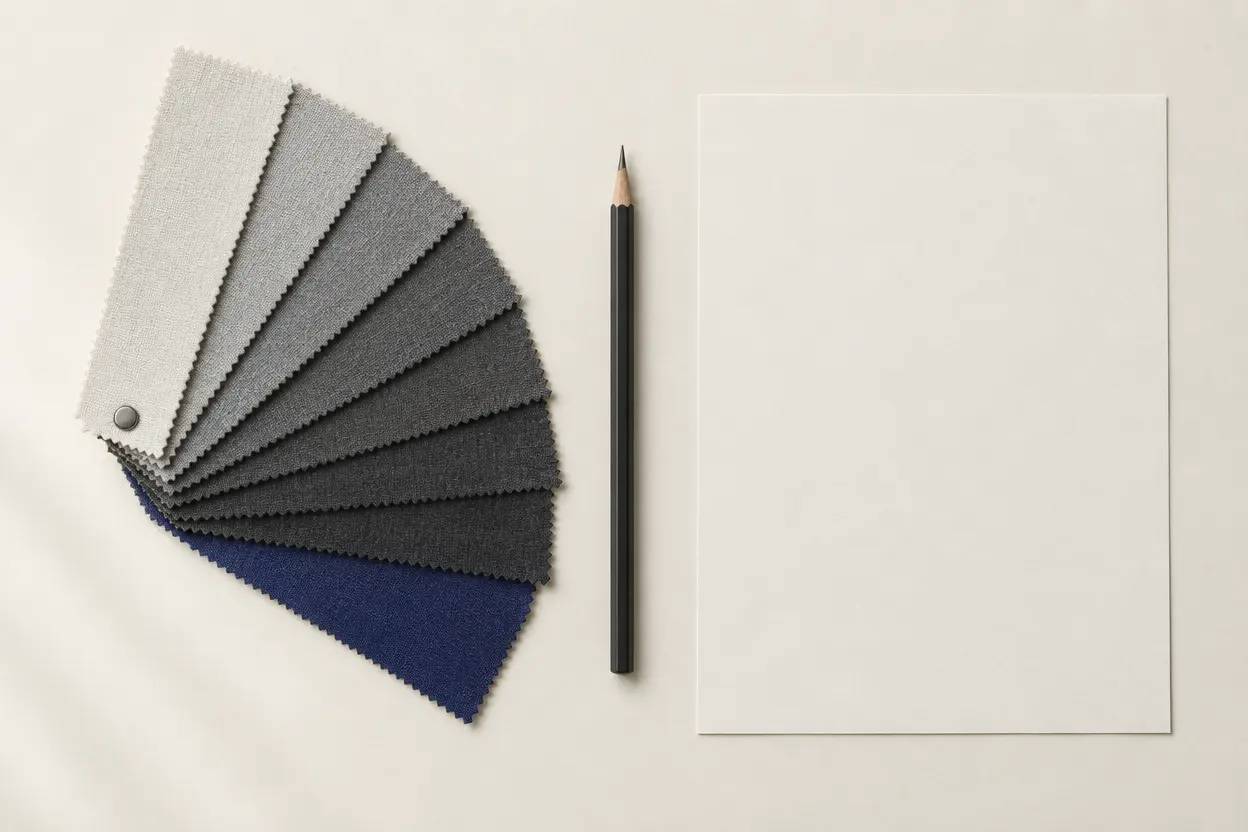
Yes, swatches are sent for approval before a bulk order is placed. See the material sourcing capability page.
Yes, for example embroidery on the chest and screen printing on the back. Specify both in the same tech pack so placement and colour are locked before sampling.
Sampling runs in stages: proto, fit, then pre-production; see the sample development capability page.

Process

From first message to delivery.

Six steps, each confirmed in writing. Nothing goes into bulk production before you approve the sample.

  1. 01

    Enquiry

    Send your idea, tech pack or a reference garment through the quote form or by email.

    Day 1

  2. 02

    Quote and tech pack

    We confirm fabric, sizes, decoration and price per piece in writing.

  3. 03

    Sample

    A physical sample in your fabric and fit, sent to you for review.

  4. 04

    Approval

    You approve the sample or request changes. Bulk production starts only after your approval.

  5. 05

    Production and quality checks

    Bulk production with quality checks against the approved sample.

  6. 06

    Delivery

    Packed to your specification and shipped to your delivery address.

Inventory

Need garments now? Buy from inventory.

  • From 1 piece, any size or colour
  • Ready garments in our German warehouse
  • Live piece counts per size and colour
  • One quote request for the whole basket

Production

Your own design? Produce with us.

  • Selected projects from 50 pieces
  • Start from a sketch, tech pack or reference garment
  • Physical sample before bulk production
  • Every step confirmed in writing

Talk to us

Tell us what you need

Two lines are enough to start. A person on our team reads every message and replies in writing. We reply in writing within 24 hours.

Need to give quantities and a product category? Request a quote

Send us your brief. Get a clear answer.

Quantity, fabric, decoration and timeline. We confirm in writing what is possible, what it costs per piece and when it ships.