Material

Organic cotton.

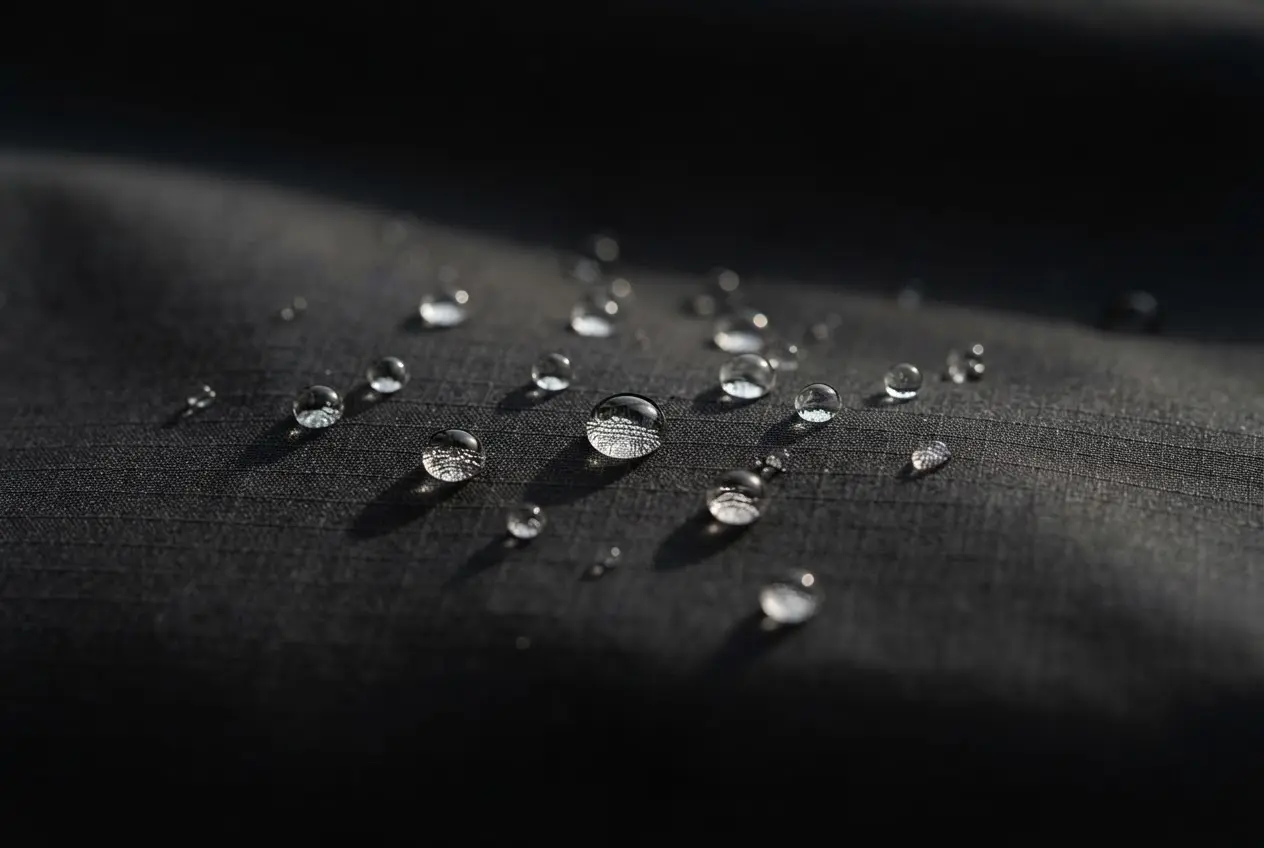
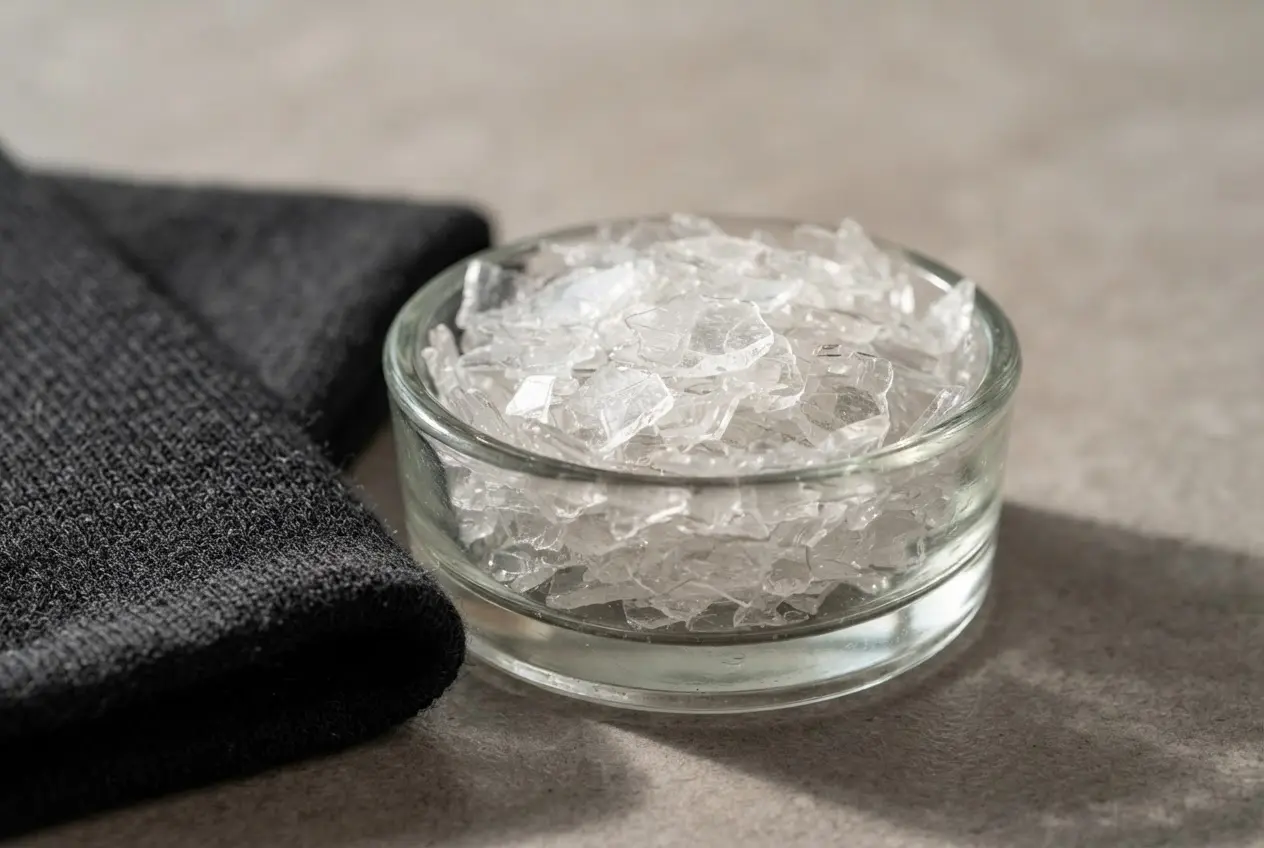
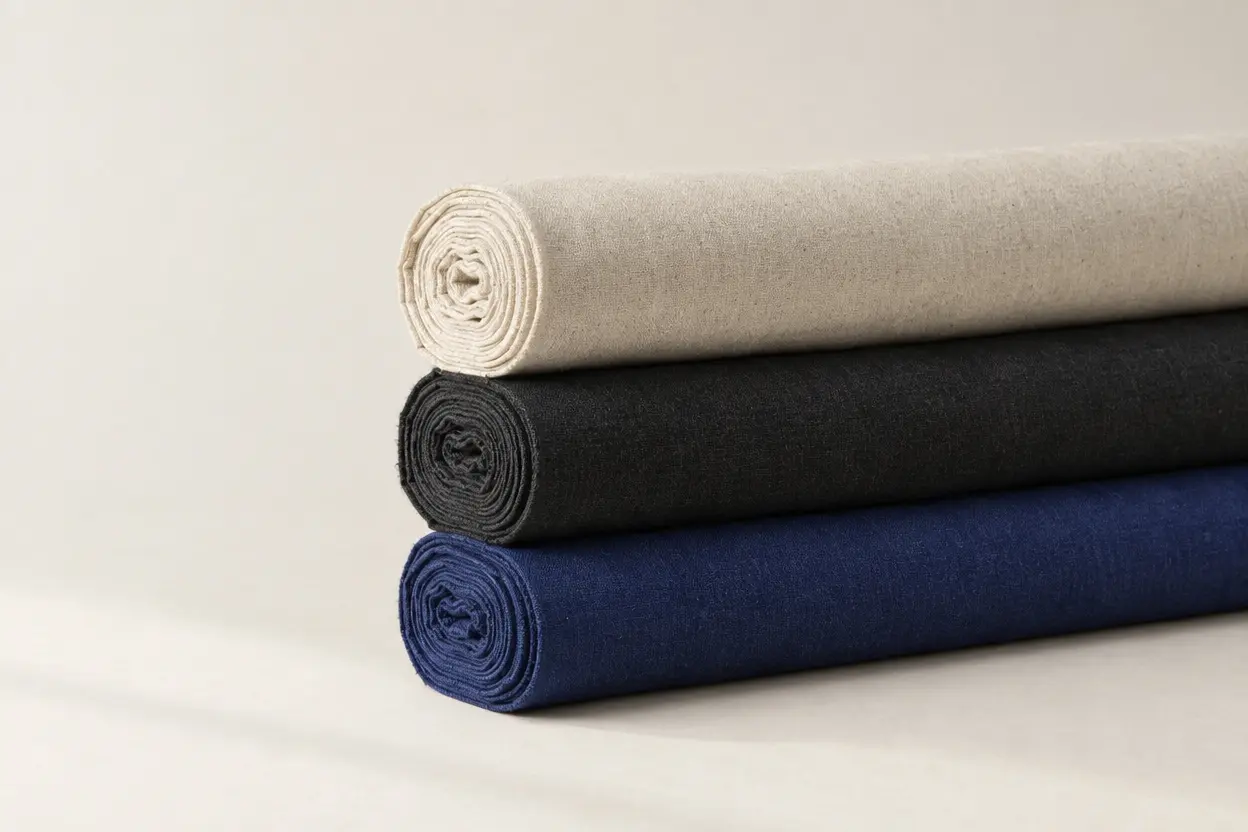
Close view of natural undyed cotton jersey with slightly irregular slub texture

Grown without synthetic pesticides or fertilisers, under a certification scheme such as GOTS when the full supply chain is certified. See the certifications page for our current GOTS scope; we never describe uncertified cotton as organic.

Composition
100% organic cotton
Typical GSM
140 to 220 g/m²
Handfeel
Soft, breathable
Certification
GOTS where the supply chain is certified, see Certifications
Care
Machine wash, may shrink on first wash

Designs made by us

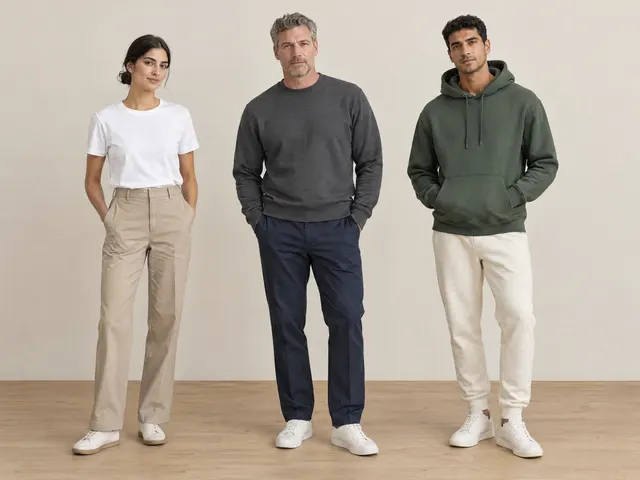
Choose a design as your starting point. We make it in your colours, fabrics and branding.

Your colours. Your fabrics. Your branding. Request a quote → 87 See all 87 designs

Production from

50 pieces per style

Every quote

Written, priced per piece

Before bulk

You approve a sample

Organic cotton is a claim that has to be proved, not just stated

Organic cotton is cotton grown under farming rules that restrict certain inputs and promote soil and water management. For brands it has real appeal: customers ask for it, retailers list it and it fits a wider shift towards more transparent materials. It is also one of the most abused words in clothing, because a label that says organic is only as strong as the paperwork behind it.

This page explains what organic cotton is, what it does and does not change in a garment, what documents support a claim and how to plan an organic programme honestly. We describe how the topic works so that you can decide, and we do not claim a certification that we have not shown you in writing.
Have a design or an idea?

Send it and get a written quote.

Request a quote

What organic means, and what it does not

Organic describes how the cotton is grown: under standards that restrict synthetic pesticides and fertilisers and that set rules for farming practice. It does not automatically describe how the fibre is spun, dyed, finished or sewn, which are separate stages with their own rules.

It also does not mean a garment is softer, stronger or longer lasting. Fibre quality, yarn, knit and finish decide those things. Organic is a statement about the origin and farming method of the fibre. Being clear about this keeps your marketing accurate and your customers' trust intact.

Why the paper matters more than the word

A claim that a garment is made with organic cotton is a commercial claim, and regulators and retailers increasingly expect it to be backed. The strength of the claim depends on a chain of documents.

  • A certificate for each business in the chain, from farm to finished garment.
  • A transaction document for the specific shipment, linking each stage to the next.
  • Records that tie the finished garment to the certified material.
  • A label or statement that matches what the documents support.

Certified chain, mixed content and what you can say

Organic standards distinguish between garments made entirely from certified material and garments that contain a percentage. What you may say on a label depends on the percentage and on the standard. A garment with a small share of organic cotton cannot be described the same way as one made entirely from it.

We will tell you what the documents for your order support, and we will not describe a garment more strongly than the paperwork allows. If you plan to use a certification logo, that depends on the licence of each stage and on the rules of the scheme. We will not apply a mark without the documents for that lot.

See the garment before you commit.

Order a physical sample in your fabric and fit. Bulk production starts only after you approve it.

Practical differences in the garment

In most garments, organic cotton feels and behaves like conventional cotton of the same quality. Yarn, knit, weight and finishing remain the decisive factors. Colour range is broadly similar, though some dye and finishing options are restricted if the garment is to keep a certified status.

If you intend a fully certified garment, the whole chain must comply, including dyeing and trims. That narrows the options and can affect colour range, cost and timing, so it is better to decide early. If you are using organic cotton without a certified garment claim, it is still worth being precise about how you describe it.

Planning an organic programme

A sound organic programme starts with a clear decision about the claim you want to make and works backwards.

  1. 01

    Decide whether you want a certified garment claim or an organic fibre statement.

  2. 02

    Tell us the claim at the start, so we can say what is possible.

  3. 03

    We confirm which documents exist for the material and sites involved.

  4. 04

    We agree timing, because certified chains can take longer to arrange.

  5. 05

    We review labels and marketing copy against the documents before print.

Starting small, from 50 pieces per style, lets you test the product and the paperwork together.

Organic cotton and ready stock

Our ready stock held in Germany is finished product, and documents for a specific style are requested style by style. If a particular organic claim matters to you, ask before you reserve quantity, and we will say what exists for that style. Do not assume that a garment carries an organic claim because it is made of cotton. Ask for the evidence.

Ask for the documents

If organic cotton matters to your brand or customers, send us the claim you want to support, the product and your quantity. We will respond in writing with what is possible and what documentation exists. A quote and a sample cost nothing to request, and they let you check the product while we confirm the paperwork.

Inventory

Need garments now? Buy from inventory.

  • From 1 piece, any size or colour
  • Ready garments in our German warehouse
  • Live piece counts per size and colour
  • One quote request for the whole basket

Production

Your own design? Produce with us.

  • Selected projects from 50 pieces
  • Start from a sketch, tech pack or reference garment
  • Physical sample before bulk production
  • Every step confirmed in writing

Talk to us

Tell us what you need

Two lines are enough to start. A person on our team reads every message and replies in writing. We reply in writing within 24 hours.

Need to give quantities and a product category? Request a quote

Send us your brief. Get a clear answer.

Quantity, fabric, decoration and timeline. We confirm in writing what is possible, what it costs per piece and when it ships.