Capability

Yarn sourcing: a fabric is decided at the yarn.

Production
Selected projects from 50 pieces
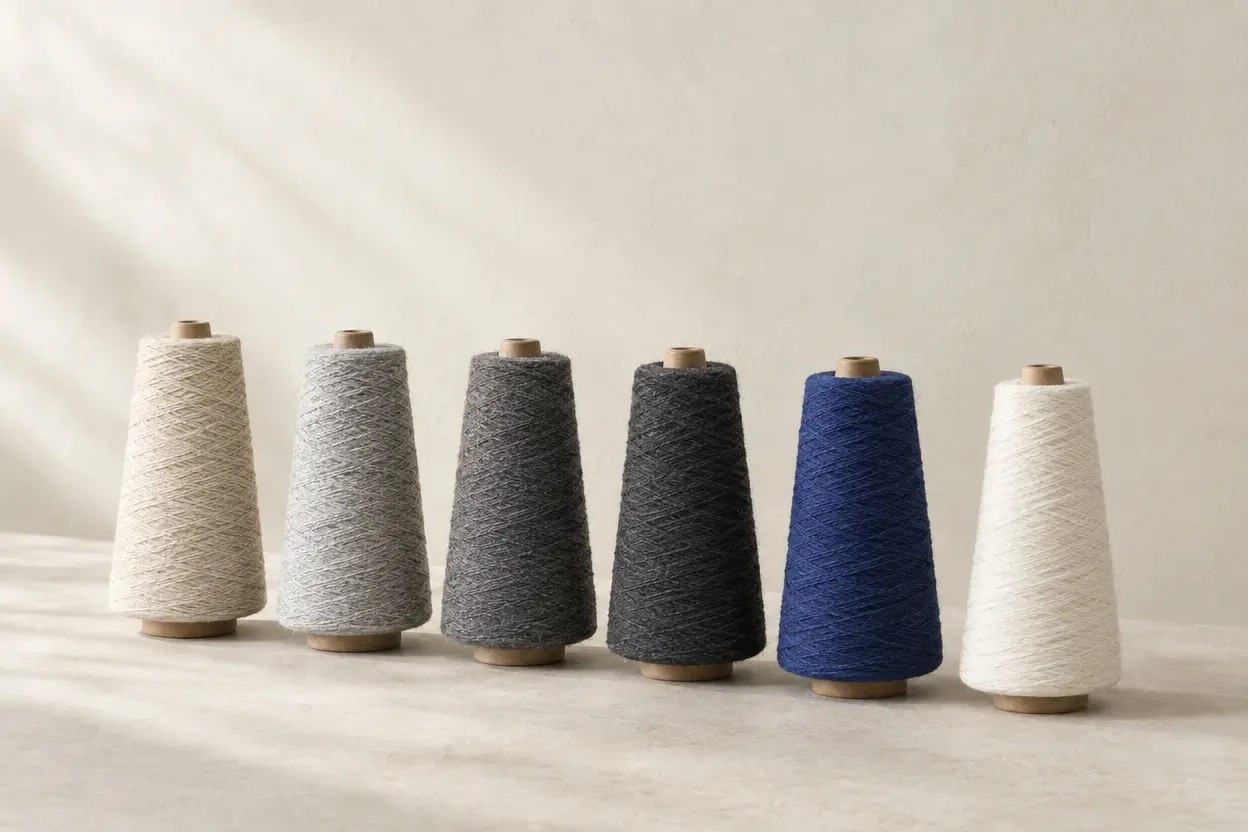
Cones of cotton yarn in cream, heather grey and black on a metal shelf

Yarn count, fibre, twist and spinning method determine how a fabric feels, pills and ages. For knitted or woven development we select yarn to your target handfeel and weight.

Specified by
Count, fibre, spinning method
Minimum
50 kg per yarn

In detail

  1. 01

    Options include combed and carded cotton, organic cotton, recycled polyester and blends.

Production from

50 pieces per style

Every quote

Written, priced per piece

Before bulk

You approve a sample

Yarn is where the character of a fabric is decided

Before a fabric is knitted or woven, it is yarn, and the yarn decides most of what you will feel in the finished garment: softness, strength, surface, warmth and how well the fabric ages. Two t-shirts in the same cotton can feel very different because one uses a finer, smoother yarn than the other. Yarn sourcing is the work of choosing and buying the right yarn for a fabric, in the right quantity, with the right documents.

This page explains the main choices in yarn, why they matter, how we approach sourcing for knitted and woven programmes and what to tell us if you want control over the yarn behind your fabric.
Have a design or an idea?

Send it and get a written quote.

Request a quote

The main choices in a yarn

A yarn is described by a handful of properties, and each influences the result.

  • Fibre cotton, polyester, viscose, nylon, wool or a blend.
  • Count how fine or coarse the yarn is, usually written as a number.
  • Spinning method carded, combed, ring-spun or open-end.
  • Twist how tightly the fibres are twisted, which affects hand and strength.
  • Ply and structure single, plied or textured yarns.
  • Dyeing stage dyed as fibre, as yarn or as fabric.

These choices decide the fabric before a loom or machine is switched on.

Count, spinning and handfeel

Yarn count describes thickness. A finer yarn makes a lighter, smoother fabric, and a coarser one makes a heavier, more textured fabric. Spinning method shapes how smooth the yarn is: combed yarn removes short fibres for a finer surface, and ring-spun yarn is twisted in a way that gives a softer, more even result than open-end spinning.

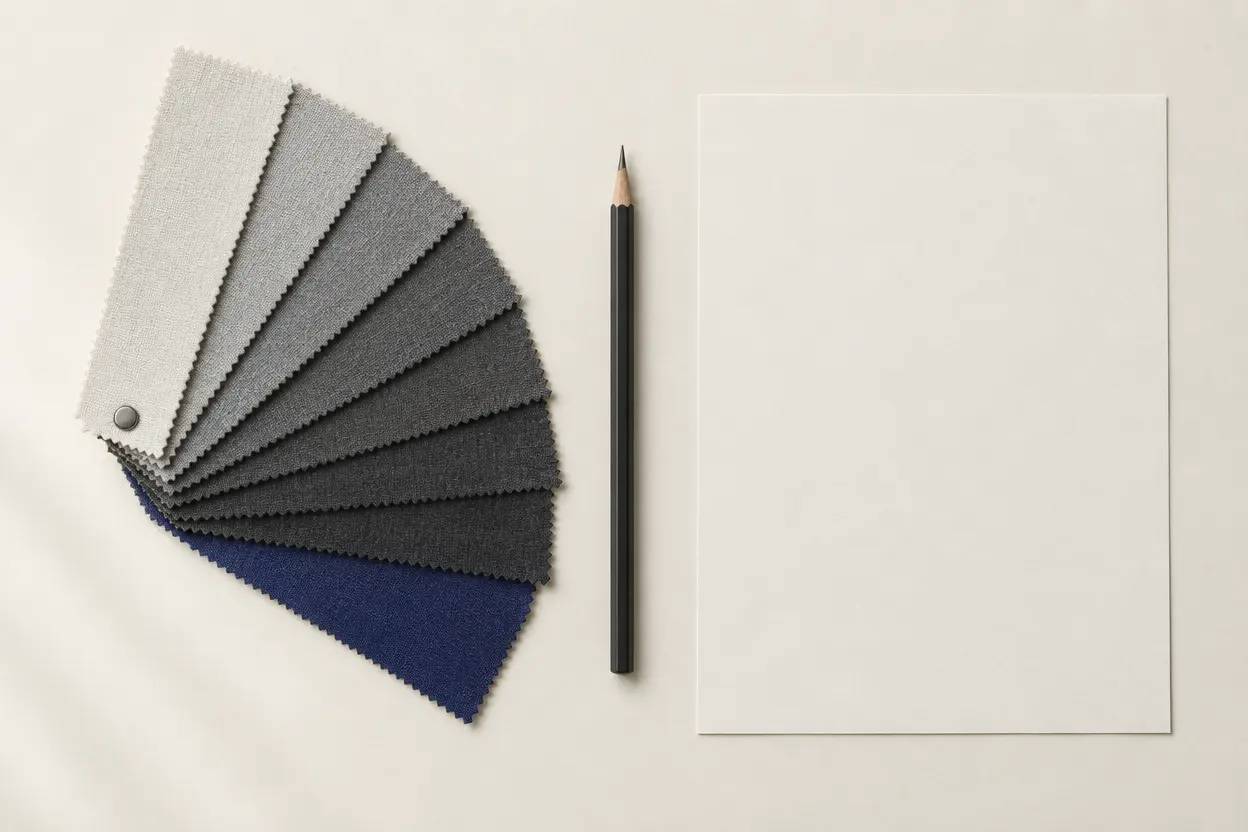
We can explain what a given yarn choice will do to the fabric and show you swatches made with different yarns.

Fibre origin, quality and consistency

Yarn quality depends on the fibre going in. Staple length, evenness and cleanliness of cotton, for example, all affect strength and softness. Consistency matters as much as peak quality: yarn from different batches can differ slightly, which may show as variation in colour or feel between production runs.

We specify the yarn clearly and, where possible, keep a record of the supplier and batch used in your production, so that a reorder can use the same source. If fibre origin matters to you, tell us early, since documenting it may narrow the options.

See the garment before you commit.

Order a physical sample in your fabric and fit. Bulk production starts only after you approve it.

Recycled, organic and certified yarns

Some customers ask for organic cotton yarn, recycled polyester yarn or other certified yarns. These carry claims that need documents. For certified yarn, the supplier's certificate and a transaction document for the specific lot should be available. For recycled yarn, evidence of the input and conversion is needed.

We will tell you what documents exist for the yarn we propose and whether the claim can be supported for your garment. We never describe a yarn as certified or recycled without the documents behind it. Our organic cotton and recycled polyester pages explain these claims in more detail.

Minimums and planning

Yarn is bought in quantities set by spinners and suppliers, and minimums vary by yarn type, count and colour. Dyed yarn often has higher minimums than undyed yarn, and a special blend or colour may need to be made to order. This can affect the quantity you need and the time before knitting or weaving can begin.

  1. 01

    Decide on the yarn early, since it comes before everything else.

  2. 02

    Ask about minimums before settling on a specific yarn or colour.

  3. 03

    Allow for yarn lead time in your overall plan.

  4. 04

    Confirm quantities with a sensible margin for wastage.

We tell you early about minimums and timing so that you can plan accordingly.

From yarn to fabric to garment

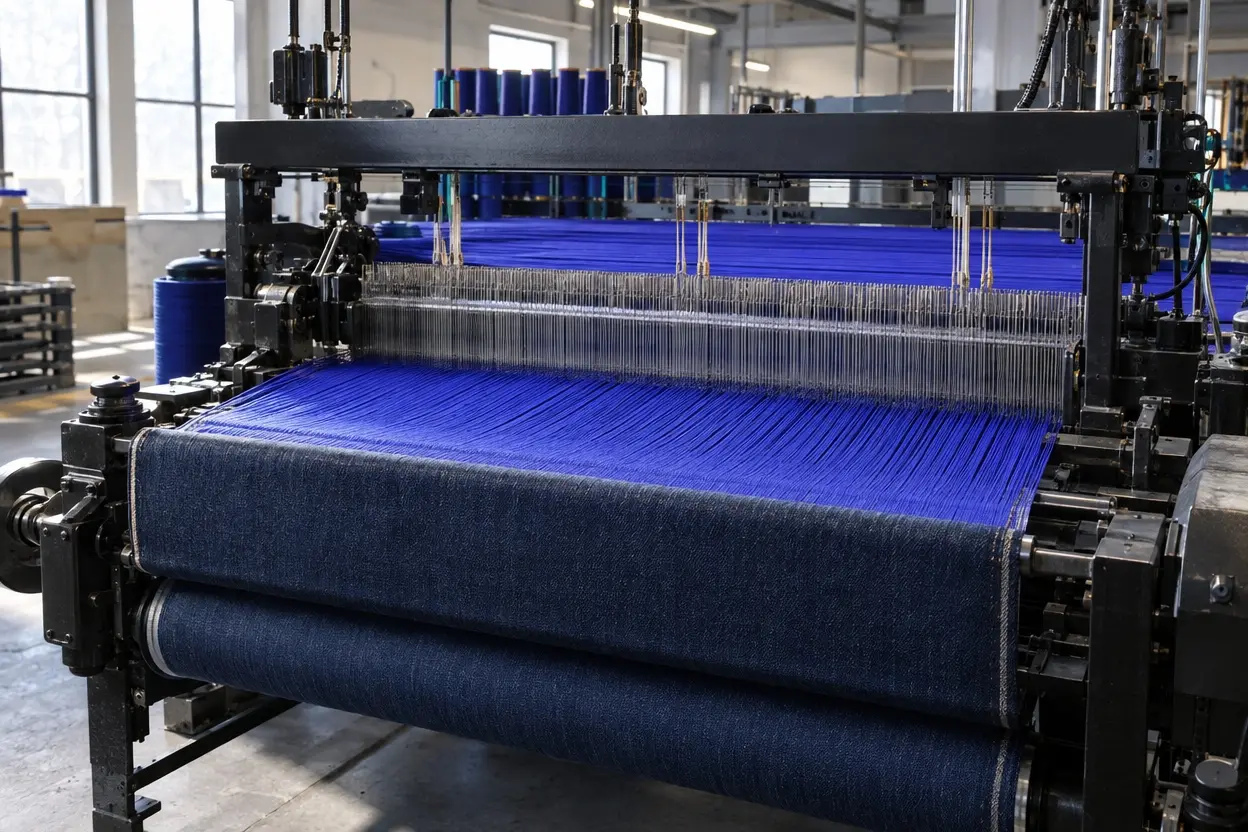
Yarn feeds knitting or weaving, then dyeing and finishing, then cutting and sewing. Decisions at the yarn stage ripple through the whole process. A change of yarn after the sample is approved can change the fabric, the fit and the colour, so we recommend settling it before sampling.

Our knitting, weaving, dyeing and material sourcing pages describe the next stages. When the yarn, the fabric and the garment are specified together, the whole chain is easier to manage and reproduce.

Mention how often you plan to repeat the style, because that decides whether to reserve yarn for later runs.

Start with the fabric you want

Tell us the fabric or garment you have in mind, any reference swatch and your quantity. We will respond in writing with a suggested yarn route and what it implies for minimums and timing. Made-to-order starts from 50 pieces per style, and a sample shows how your choices behave in a real garment.

Process

From first message to delivery.

Six steps, each confirmed in writing. Nothing goes into bulk production before you approve the sample.

  1. 01

    Enquiry

    Send your idea, tech pack or a reference garment through the quote form or by email.

    Day 1

  2. 02

    Quote and tech pack

    We confirm fabric, sizes, decoration and price per piece in writing.

  3. 03

    Sample

    A physical sample in your fabric and fit, sent to you for review.

  4. 04

    Approval

    You approve the sample or request changes. Bulk production starts only after your approval.

  5. 05

    Production and quality checks

    Bulk production with quality checks against the approved sample.

  6. 06

    Delivery

    Packed to your specification and shipped to your delivery address.

Inventory

Need garments now? Buy from inventory.

  • From 1 piece, any size or colour
  • Ready garments in our German warehouse
  • Live piece counts per size and colour
  • One quote request for the whole basket

Production

Your own design? Produce with us.

  • Selected projects from 50 pieces
  • Start from a sketch, tech pack or reference garment
  • Physical sample before bulk production
  • Every step confirmed in writing

Talk to us

Tell us what you need

Two lines are enough to start. A person on our team reads every message and replies in writing. We reply in writing within 24 hours.

Need to give quantities and a product category? Request a quote

Send us your brief. Get a clear answer.

Quantity, fabric, decoration and timeline. We confirm in writing what is possible, what it costs per piece and when it ships.