Capability

Custom sizing and fit, built around your customer.

Production
Selected projects from 50 pieces
A yellow tape measure wrapped around the chest of a black hoodie on a dress form

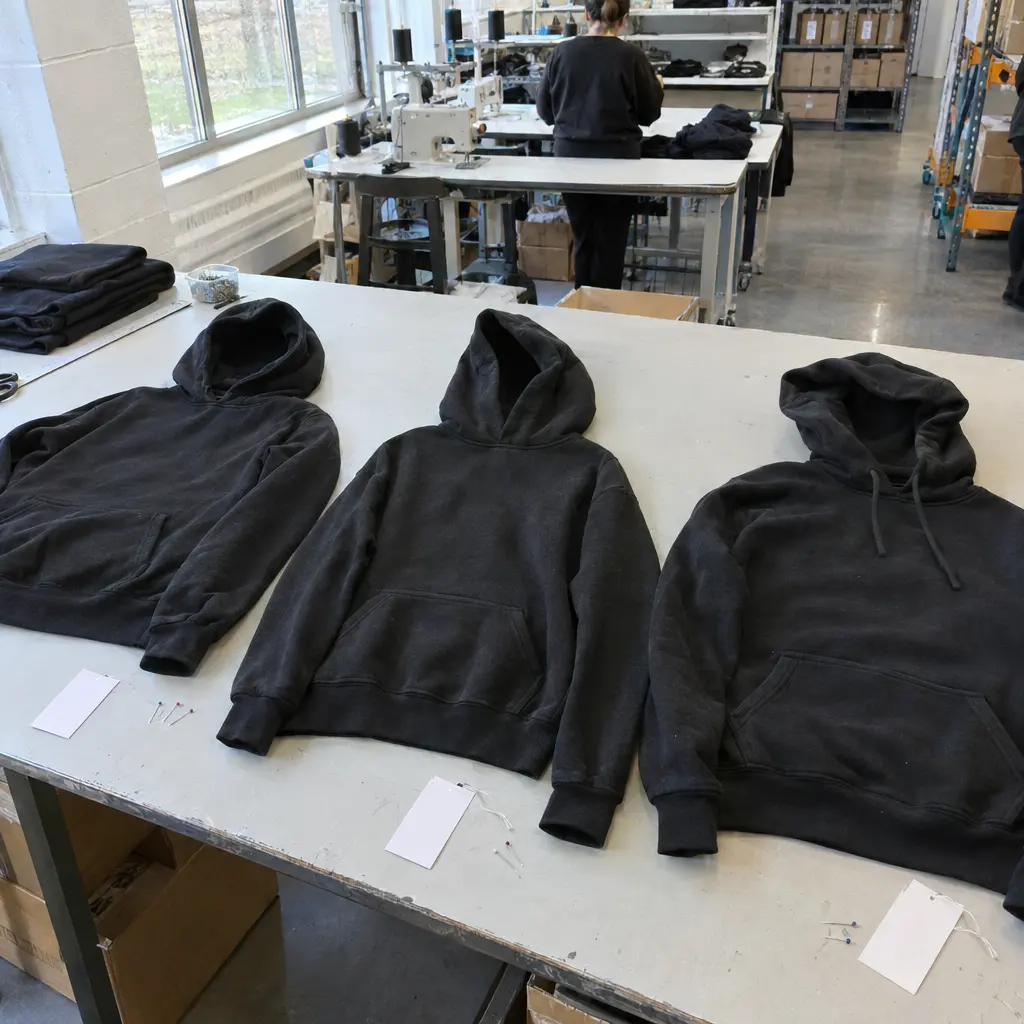
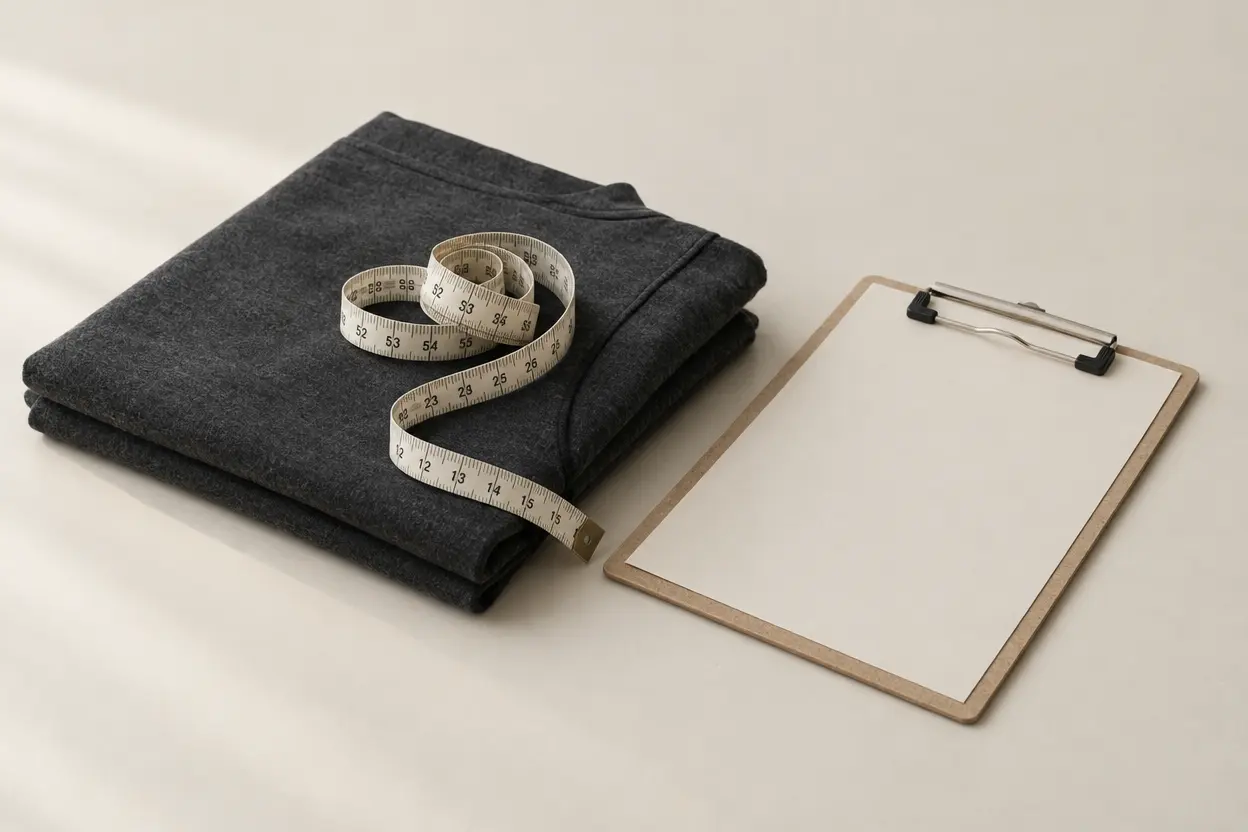
If standard size charts do not suit your audience, we develop your own: a body measurement basis, ease per style, and a fit sample in the base size.

Output
Your own size chart per product group

In detail

  1. 01

    Each fit session is documented with photos and corrected measurements until the fit is approved.

Production from

50 pieces per style

Every quote

Written, priced per piece

Before bulk

You approve a sample

Fit is what customers remember, and sizing is how you promise it

A garment can have excellent fabric and flawless stitching and still fail because it does not fit the people who buy it. Returns, complaints and lost customers trace back to fit more often than to anything else. Custom sizing and fit development is the work of defining a fit that suits your customer, then turning it into a size chart you can stand behind.

This page explains what fit development involves, how a fit is defined, how custom size charts are built, how we test them and how to plan sizing across markets. It is written for brands and buyers who want their garments to fit the real people who will wear them.
Have a design or an idea?

Send it and get a written quote.

Request a quote

Defining your fit

A fit is a description of how a garment should sit on a body: close, regular, relaxed or oversized, with specific proportions. Defining it starts with your customer, not with a template.

  • Who wears it age, build and typical posture.
  • How it should sit where it touches, where it hangs, how much room it gives.
  • What it competes with reference garments your customer already knows.
  • How it is used sport, work, leisure or fashion.

We help you put this into numbers, using a reference garment, an existing block or a set of target measurements.

Building a custom size chart

A size chart is a table of garment measurements for each size, with the points of measure that matter for your product. A custom chart reflects your fit and customer, rather than copying a generic scale.

  1. 01

    Choose points of measure for the product, such as chest, length, shoulder and sleeve.

  2. 02

    Set the base size measurements from the approved fit.

  3. 03

    Set grade steps between sizes, based on how your customer's build varies.

  4. 04

    Add tolerances, so production can be checked consistently.

  5. 05

    Express the chart in the units and size labels your markets expect.

The chart then drives grading, sampling and quality checks.

Fit samples and reviews

Fit is tested on garments, not on paper. A fit sample is cut in the base size, tried on and measured, and comments are recorded. Changes are made to the pattern and a revised sample follows until the fit is right.

For wider ranges, we recommend fitting more than one size, including one at each end, so the proportions are tested across the run.

See the garment before you commit.

Order a physical sample in your fabric and fit. Bulk production starts only after you approve it.

Different markets and size conventions

Size labels mean different things in different markets. A European medium is not an American medium, and conventions for children's sizing, trousers and underwear vary widely. If you sell in several countries, plan for it: decide whether one chart works for all, or whether market-specific charts and labels are better.

We can express the chart in the sizing systems you need and help you present a clear size guide on your product pages. Clear size information reduces returns and builds trust.

Extended, inclusive and specialist sizing

Some customers need a size range that goes beyond the standard, whether larger, smaller, taller or shorter. Extended sizing needs its own proportions, not just larger numbers, because bodies change shape across the range. Specialist sizing, such as maternity, workwear or adaptive clothing, has its own requirements.

If you plan this, tell us early. We can build the pattern and grade rules for the full range from the start, which is more reliable than extending a standard range later.

Fabric, shrinkage and stretch

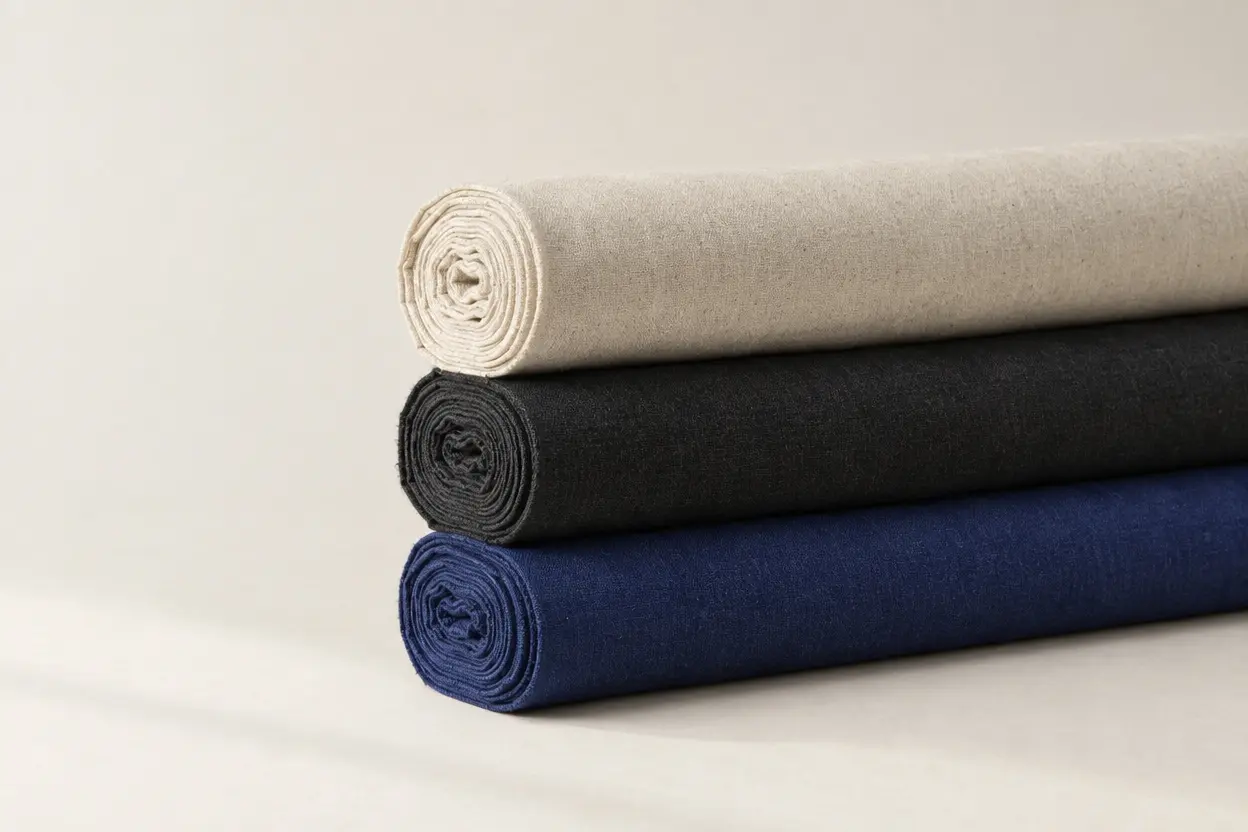
Fit depends on the fabric as much as the pattern. A stretch knit fits differently from a rigid woven, and a fabric that shrinks will change the finished size. We account for stretch and shrinkage in the measurements, and we check the finished size after washing a sample.

This is why we recommend finalising the fabric before locking the size chart. Changing the fabric after the fit is approved may require a new fit review.

Common questions about fit development

The most common question is how many sample rounds are needed. That depends on how precise your brief is. With a reference garment and clear measurements, one or two rounds often suffice, and without a reference it can take more. A second question is about fitting: we recommend trying a sample on real people of different builds, not only on a form, because movement and drape show on the body. Third, buyers ask how to keep fit consistent across sizes. Grading and tolerances do that, and we record them in the specification.

It also helps to remember that fit and fabric belong together. A stretch fabric forgives more than a woven one, and washing changes measurements, which is why we review washed samples. If the fabric changes later, fit can change too, and we tell you so openly. With clean documentation, you can trigger repeat orders without a new fit round, as long as fabric, pattern and tolerances stay the same.

Start with your customer and a reference garment

Tell us who you are making for, the fit you want, and any garments you consider a good reference. We will respond in writing with questions and a suggested route. A fit sample is the clearest step, and made-to-order starts from 50 pieces per style.

Process

From first message to delivery.

Six steps, each confirmed in writing. Nothing goes into bulk production before you approve the sample.

  1. 01

    Enquiry

    Send your idea, tech pack or a reference garment through the quote form or by email.

    Day 1

  2. 02

    Quote and tech pack

    We confirm fabric, sizes, decoration and price per piece in writing.

  3. 03

    Sample

    A physical sample in your fabric and fit, sent to you for review.

  4. 04

    Approval

    You approve the sample or request changes. Bulk production starts only after your approval.

  5. 05

    Production and quality checks

    Bulk production with quality checks against the approved sample.

  6. 06

    Delivery

    Packed to your specification and shipped to your delivery address.

Inventory

Need garments now? Buy from inventory.

  • From 1 piece, any size or colour
  • Ready garments in our German warehouse
  • Live piece counts per size and colour
  • One quote request for the whole basket

Production

Your own design? Produce with us.

  • Selected projects from 50 pieces
  • Start from a sketch, tech pack or reference garment
  • Physical sample before bulk production
  • Every step confirmed in writing

Talk to us

Tell us what you need

Two lines are enough to start. A person on our team reads every message and replies in writing. We reply in writing within 24 hours.

Need to give quantities and a product category? Request a quote

Send us your brief. Get a clear answer.

Quantity, fabric, decoration and timeline. We confirm in writing what is possible, what it costs per piece and when it ships.