

Material

Recycled polyester.

Recycled polyester

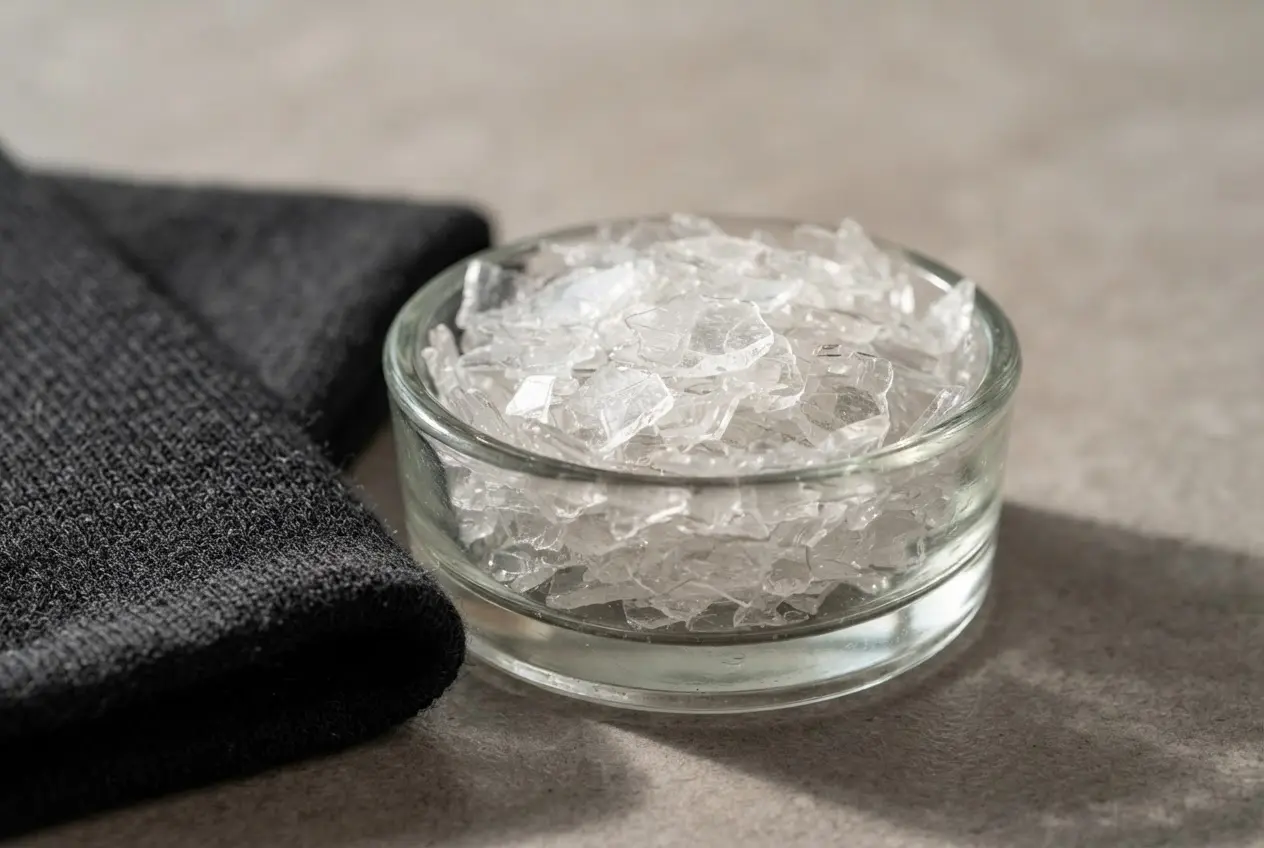
Made from recycled PET, most commonly post-consumer plastic bottles, processed into fibre with performance close to virgin polyester.

Composition
100% recycled polyester
Typical GSM
140 to 260 g/m²
Best uses
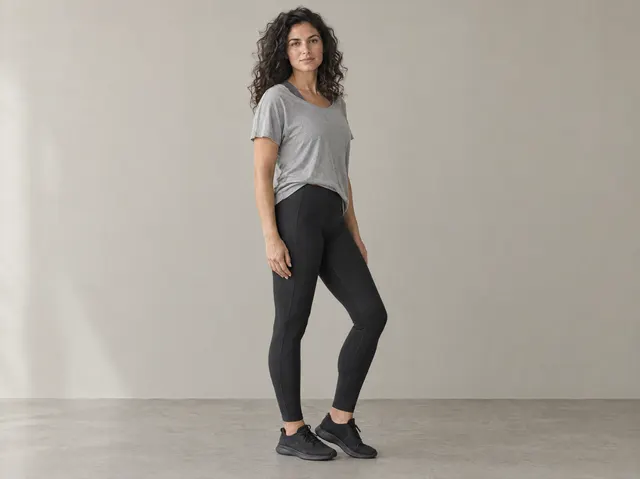
Activewear, teamwear

Production from

50 pieces per style

Every quote

Written, priced per piece

Before bulk

You approve a sample

Recycled polyester: what it is, what it changes and what you can say

Recycled polyester, often called rPET, is polyester made from existing material instead of new petroleum-based raw material. The input is commonly post-consumer plastic bottles, and sometimes textile or industrial waste. It has become a familiar option for brands that want to reduce their use of virgin raw materials, and customers increasingly ask about it.

It is also a field where wording matters. Saying a garment is made from recycled polyester is a claim that regulators and retailers expect to be supported. This page explains how recycled polyester is made, how it performs, what it does not change and how to plan a recycled programme with claims you can defend.
Have a design or an idea?

Send it and get a written quote.

Request a quote

How recycled polyester is made

In the common route, collected plastic is sorted, cleaned, shredded into flakes, melted and spun into fibre, which is then made into yarn and fabric. A second route breaks the material down chemically to produce polyester that can be indistinguishable from new. Textile-to-textile recycling, where old garments become new fibre, exists but remains a small share of the market.

The result is a polyester fibre with the same basic properties as conventional polyester: strong, quick drying and colour stable. The difference lies in the input, and that is what the documents must show.

Performance in the garment

In most garments, recycled polyester performs like conventional polyester of the same quality. It can be knitted into jersey, interlock, fleece and mesh, and woven into outerwear fabrics and bags. It takes colour well, suits sublimation and works with the usual decoration methods.

  • Strength and durability are comparable to conventional polyester.
  • Hand feel depends on yarn and construction, not on the recycled origin.
  • Colour range is broadly similar.
  • Finishes such as moisture management can be applied in the usual way.

Quality can vary with the source and process, so ask for a sample and wash-test it as you would any fabric.

What recycled does not change

Recycled polyester does not make a garment biodegradable, and it still sheds microfibres in washing, as other polyester does. It does not make a garment last longer by itself. It does not remove the need to think about how a garment is used, how long it lasts and what happens at the end of its life.

Being clear about this protects you from overclaiming, which regulators and customers increasingly challenge.

See the garment before you commit.

Order a physical sample in your fabric and fit. Bulk production starts only after you approve it.

Documents behind a recycled claim

A recycled content claim depends on evidence that the material is what it says and in what share. The documents typically cover the recycled input, the conversion into fibre and the chain to the finished garment, with a transaction record for the specific shipment.

  1. 01

    Ask which standard or scheme the material follows.

  2. 02

    Ask for the certificate of each business in the chain and its scope.

  3. 03

    Ask for the transaction document tied to your lot.

  4. 04

    Check what percentage of the garment is recycled content.

  5. 05

    Make sure your label wording matches the documents.

We will tell you what exists for your order, and we will not describe a garment as recycled without the evidence. If you plan to use a certification logo, it depends on the licence of each stage.

Blends, trims and the total garment

A garment is more than its main fabric. Blends with cotton or elastane reduce the recycled share of the total. Trims, threads, linings and labels may or may not be recycled. A claim should describe what the documents support: for example, the main fabric, a stated percentage or the whole garment.

If you want a high recycled share, tell us early so we can choose fabric, trims and thread with that in mind. This narrows options and can affect timing and cost, so it is better to decide at the start than after sampling.

Planning a recycled programme

A practical approach starts with the claim you want and works back.

  • Decide whether you want a fabric-level statement, a percentage claim or a certified garment claim.
  • Tell us at the start so we can confirm what documents exist.
  • Order a sample and test performance and feel.
  • Agree wording for labels and marketing against the documents.
  • Start small, from 50 pieces per style, to test product and paperwork together.

For ready stock in Germany, documents are requested style by style, so ask before reserving quantity if a recycled claim matters.

Start with the claim and a sample

Tell us the garment, the recycled claim you hope to make and your quantity. We will respond in writing with what is possible and what documents exist. A quote and a sample cost nothing to request, and they let you check performance while we confirm the paperwork.

Inventory

Need garments now? Buy from inventory.

  • From 1 piece, any size or colour
  • Ready garments in our German warehouse
  • Live piece counts per size and colour
  • One quote request for the whole basket

Production

Your own design? Produce with us.

  • Selected projects from 50 pieces
  • Start from a sketch, tech pack or reference garment
  • Physical sample before bulk production
  • Every step confirmed in writing

Talk to us

Tell us what you need

Two lines are enough to start. A person on our team reads every message and replies in writing. We reply in writing within 24 hours.

Need to give quantities and a product category? Request a quote

Send us your brief. Get a clear answer.

Quantity, fabric, decoration and timeline. We confirm in writing what is possible, what it costs per piece and when it ships.