Capability

Cut and sew: panels sewn together on standard lines.

Production
Selected projects from 50 pieces
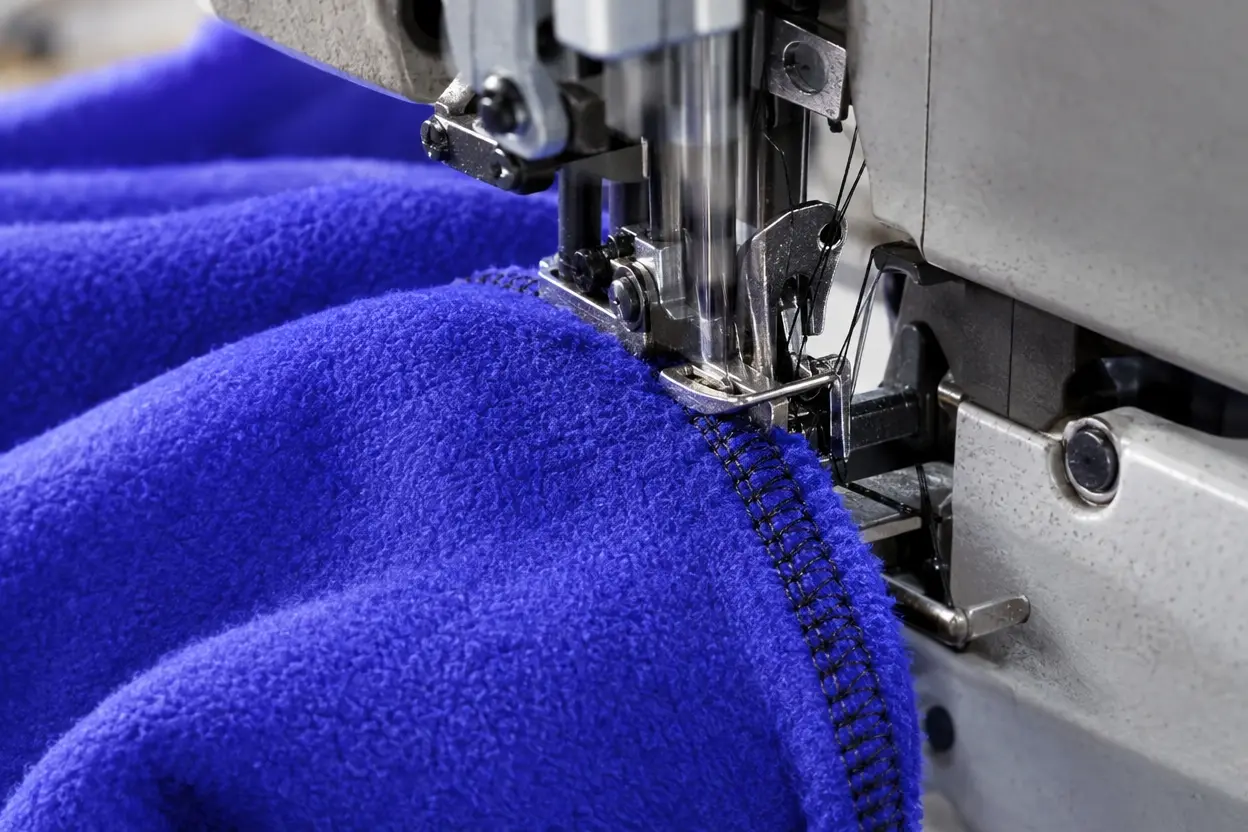
Two hands guiding a black fleece seam through an industrial overlock machine

The standard construction method for wovens and most knitwear: cut panels are joined on sewing lines matched to the seam type in the tech pack, from overlock to flatlock and coverstitch.

Seam types
Overlock, flatlock, coverstitch, lockstitch
Suited to
Wovens, most knitwear

In detail

  1. 01

    Line workers follow the operation breakdown in the tech pack so every unit in a run is sewn to the same sequence.

Production from

50 pieces per style

Every quote

Written, priced per piece

Before bulk

You approve a sample

Cut and sew is how most clothing is made, and the details of sewing decide how long it lasts

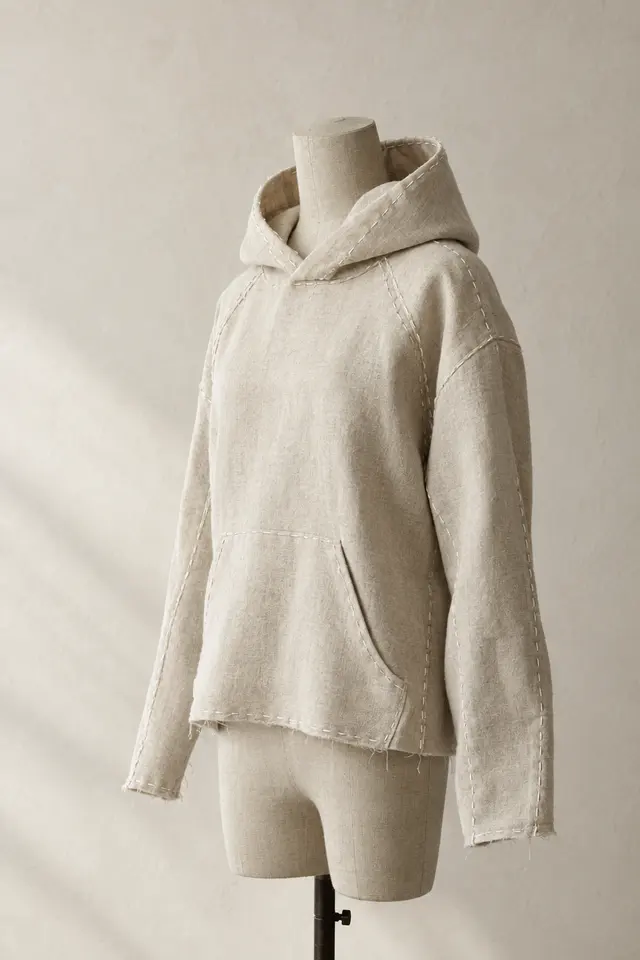
Cut and sew is the standard way of making garments: fabric is cut into pieces, and the pieces are sewn together into the finished product. It covers t-shirts, hoodies, trousers, jackets, shirts and nearly everything in a typical wardrobe. It is flexible, suits small and large runs and allows almost any design, but its quality depends heavily on the skill and consistency of the sewing.

This page explains how cut and sew production runs, how a garment is assembled, what decides whether a seam is strong, what checks happen on the line and what you can do to get a consistent result. It is written for buyers who want to understand the process behind the garment they are ordering.
Have a design or an idea?

Send it and get a written quote.

Request a quote

From cut pieces to finished garment

After cutting, pieces are bundled and moved through the sewing process in a sequence designed for the garment.

  1. 01

    Preparation pieces are marked, bundled by size and shade and checked.

  2. 02

    Sub-assembly small parts such as pockets, collars and cuffs are made first.

  3. 03

    Main assembly shoulders, sides, sleeves and hems are joined in order.

  4. 04

    Finishing buttonholes, buttons, labels, trims and closures are added.

  5. 05

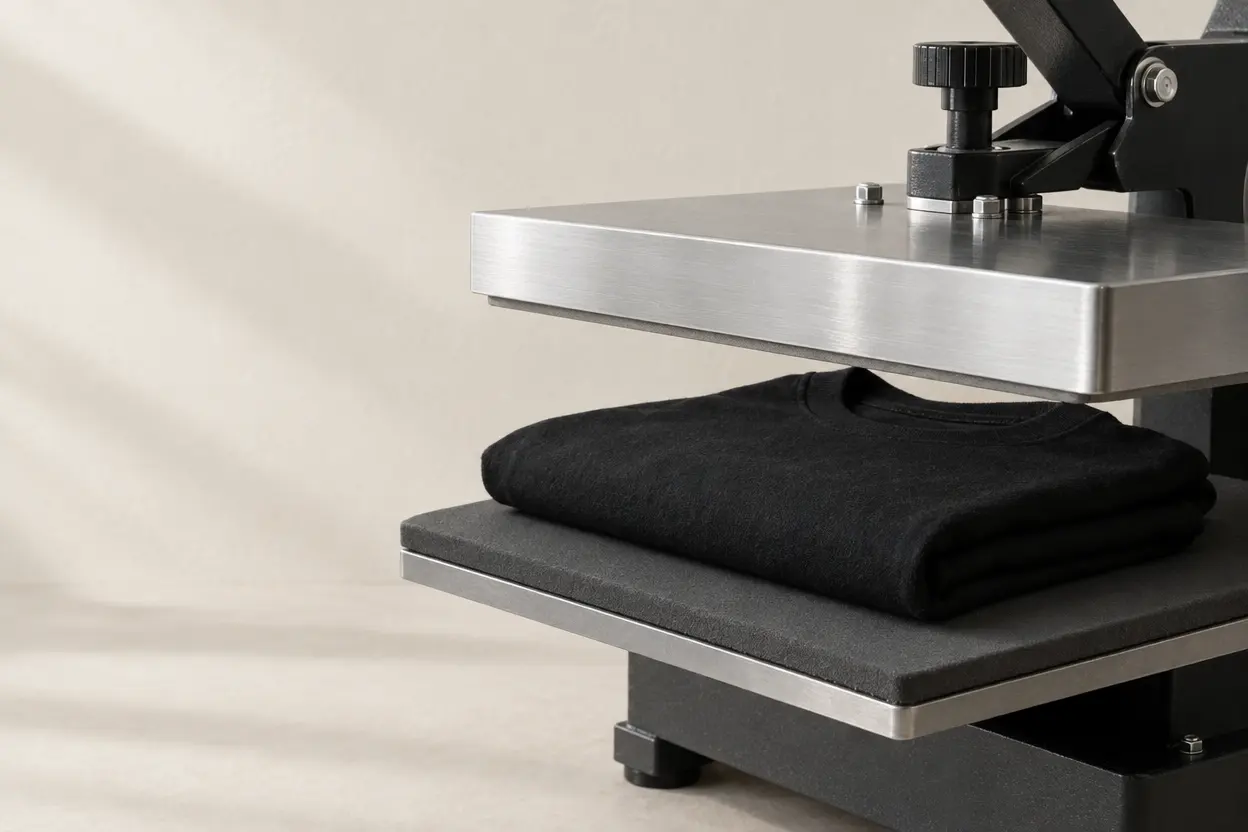
    Final processing trimming threads, pressing and folding.

The sequence is planned so that each operation is done at the right moment, and so that the work flows consistently from one stage to the next.

What makes a seam strong

A seam is where most garments fail, so its construction matters.

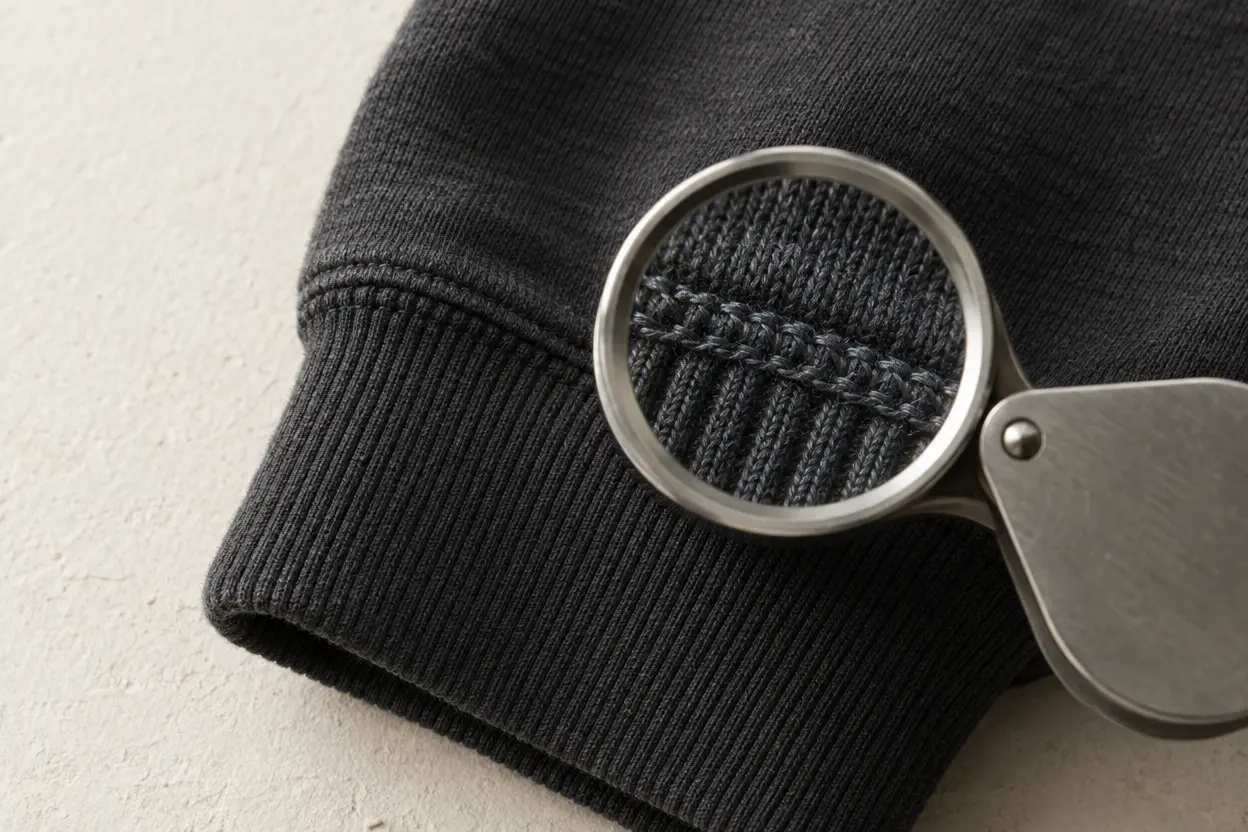
  • Stitch type lockstitch, chainstitch, overlock and coverstitch each suit different fabrics and positions.
  • Stitch density more stitches per centimetre gives strength and appearance, within limits.
  • Thread strength, material and colour matched to the fabric.
  • Seam allowance enough fabric to hold the stitches without fraying.
  • Reinforcement bar tacks and double stitching at stress points.

We specify seam types and thread for each garment and check them in sampling.

Operations, machines and skill

Garment sewing is skilled work. Different operations use different machines: single-needle machines for clean topstitching, overlockers for knit seams and edges, coverstitch machines for hems, and specialist machines for buttonholes, bartacks and attaching labels. The operator's skill shows in straight seams, even tension, good matching of pieces and consistent results across a run.

For each style, the operations are planned in sequence and the work is checked as it goes, so that problems are found at the point where they occur, not at the end. A sample made by the same process as bulk is a reliable indicator of what bulk will be.

See the garment before you commit.

Order a physical sample in your fabric and fit. Bulk production starts only after you approve it.

Quality checks along the line

Quality is checked during production, not only at the end.

  1. 01

    In-line checks at key operations, such as collar attachment or zip insertion.

  2. 02

    Measurement checks against the size chart.

  3. 03

    Visual checks for stitch quality, puckering, skipped stitches and loose threads.

  4. 04

    Checks on matching of stripes, patterns and shades.

  5. 05

    Final inspection of finished garments before packing.

Finding a fault at an early operation is much cheaper than finding it in finished garments. Our quality assurance and inspection pages describe these checks in more detail.

Flexibility: small runs, large runs and reorders

Cut and sew suits a wide range of quantities. Made-to-order production starts from 50 pieces per style, which suits new brands testing a range, and it scales to larger runs. Because the process uses a pattern and a specification, a reorder repeats the garment consistently if the pattern, the approved sample and the fabric are kept.

Colours, sizes and small design variations can be arranged within a style, and new styles can be added over time. Planning helps: a clear specification and approved sample, together with sensible quantities by size and colour, keep production smooth.

Decoration, labelling and finishing

Decoration and labelling are often integrated into the process. Printing and embroidery can be applied to cut pieces before sewing, which suits large placements and avoids seams, or to finished garments, which suits small logos. Woven labels, care labels and size labels are sewn in at set positions. Finishing steps such as washing, pressing and folding complete the product.

The order of these steps depends on the garment and the decoration, and we plan it with you so that each step is done at the right stage. Our decoration and finishing pages describe the options.

Start with a specification and a sample

Tell us the garment, the fabric, the sizes and your quantity, and send a tech pack or reference garment if you have one. We will respond in writing with questions, a suggested route and a sample plan. A development sample made by the same process as bulk shows what you will receive. Made-to-order starts from 50 pieces per style.

Process

From first message to delivery.

Six steps, each confirmed in writing. Nothing goes into bulk production before you approve the sample.

  1. 01

    Enquiry

    Send your idea, tech pack or a reference garment through the quote form or by email.

    Day 1

  2. 02

    Quote and tech pack

    We confirm fabric, sizes, decoration and price per piece in writing.

  3. 03

    Sample

    A physical sample in your fabric and fit, sent to you for review.

  4. 04

    Approval

    You approve the sample or request changes. Bulk production starts only after your approval.

  5. 05

    Production and quality checks

    Bulk production with quality checks against the approved sample.

  6. 06

    Delivery

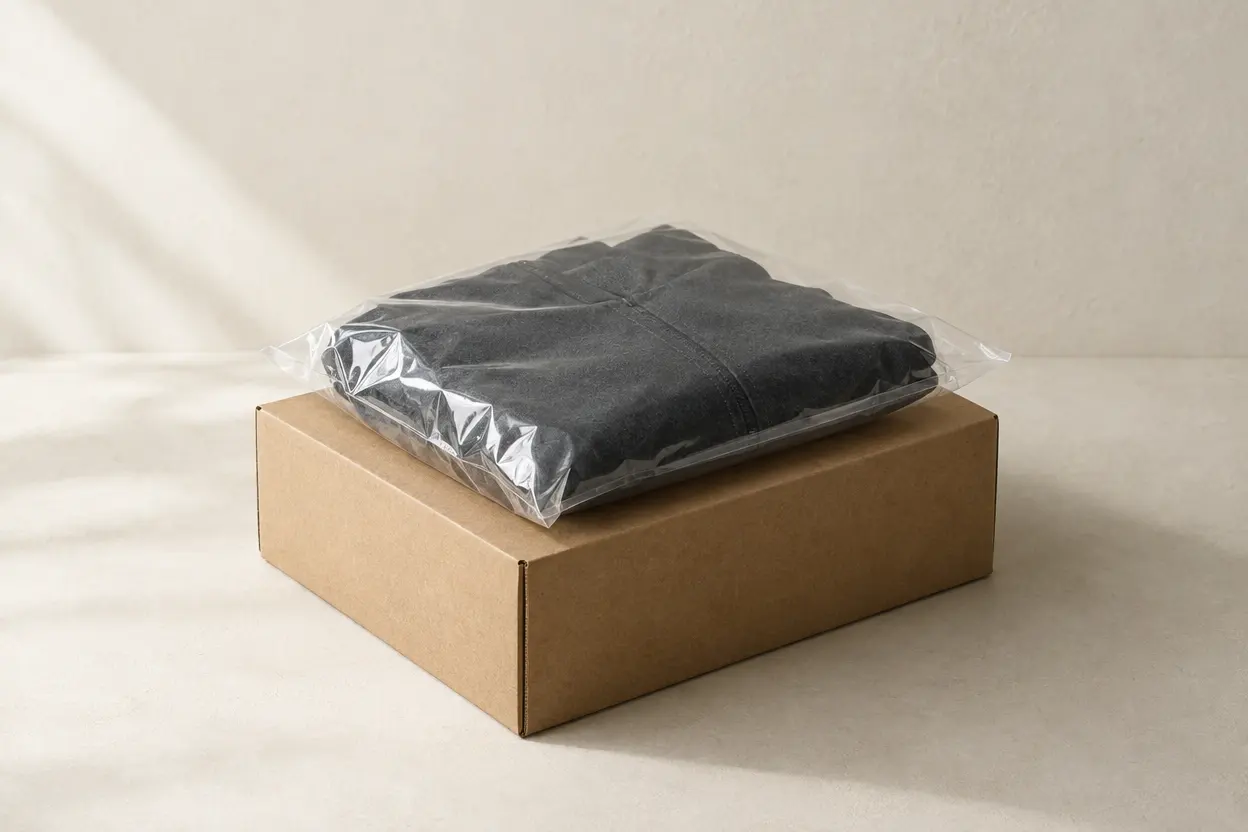
    Packed to your specification and shipped to your delivery address.

Inventory

Need garments now? Buy from inventory.

  • From 1 piece, any size or colour
  • Ready garments in our German warehouse
  • Live piece counts per size and colour
  • One quote request for the whole basket

Production

Your own design? Produce with us.

  • Selected projects from 50 pieces
  • Start from a sketch, tech pack or reference garment
  • Physical sample before bulk production
  • Every step confirmed in writing

Talk to us

Tell us what you need

Two lines are enough to start. A person on our team reads every message and replies in writing. We reply in writing within 24 hours.

Need to give quantities and a product category? Request a quote

Send us your brief. Get a clear answer.

Quantity, fabric, decoration and timeline. We confirm in writing what is possible, what it costs per piece and when it ships.