Material

Elastane blends.

Black stretch knit fabric pulled taut between two hands, thinning where it stretches

A small percentage of elastane, usually 2 to 8%, added to another fibre to give stretch and shape recovery. The percentage is chosen for the compression and recovery each product needs.

Typical elastane content
2 to 8%
Base fibre
Cotton, polyester or nylon
Best uses
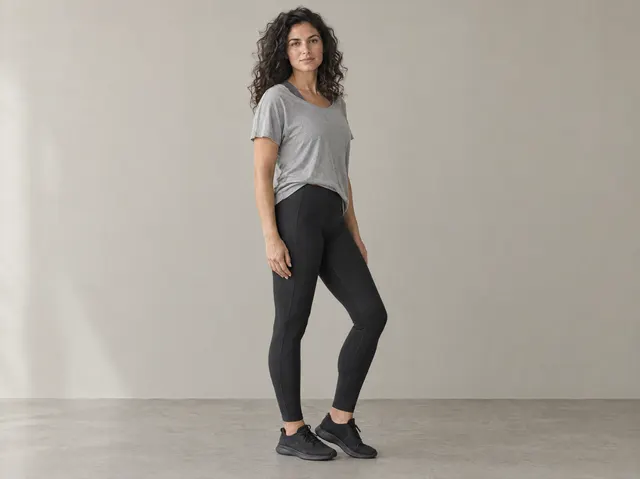
Leggings, fitted tees, denim

Designs made by us

Choose a design as your starting point. We make it in your colours, fabrics and branding.

Your colours. Your fabrics. Your branding. Request a quote → 87 See all 87 designs

Production from

50 pieces per style

Every quote

Written, priced per piece

Before bulk

You approve a sample

A little elastane changes how a garment moves and how long it holds its shape

Elastane, known by trade names such as Lycra and spandex, is a synthetic fibre that can stretch to several times its length and spring back. It is almost never used alone. Blended with cotton, polyester, nylon or viscose in small percentages, it gives fabrics stretch and recovery, which makes garments more comfortable, closer fitting and better at keeping their shape.

This page explains what elastane does, how much to use, which fabrics suit it, what can go wrong and how to plan for fit, care and decoration. It is written for buyers who want to specify stretch with confidence and ask a supplier the right questions.
Have a design or an idea?

Send it and get a written quote.

Request a quote

What elastane does

Elastane has two properties that matter in clothing: stretch and recovery. Stretch lets the fabric extend when the body moves. Recovery lets it return afterwards, so the garment does not bag at the knees, elbows or seat. Without elastane, a knit has some stretch but limited recovery, and a woven has almost none.

  • Comfort freedom of movement without restriction.
  • Fit a closer, more flattering shape that holds through wear.
  • Shape retention collars, cuffs and waistbands that spring back.
  • Versatility a thin line of stretch added to almost any fabric.

These benefits explain why elastane appears in leggings, jeans, activewear, fitted tees, underwear and many everyday garments.

How much to use

The percentage of elastane decides how much stretch the fabric has, and a little goes a long way.

  1. 01

    2 to 5 percent comfort stretch in woven trousers, shirts and denim, and light stretch in jersey.

  2. 02

    5 to 10 percent strong stretch and recovery for fitted tees, leggings and underwear.

  3. 03

    10 to 20 percent or more high stretch for compression wear, swimwear and shapewear.

More elastane means more stretch and recovery, but also a different feel, higher cost and, in some cases, faster ageing. We help you choose a percentage that fits the garment and the customer, and we show you the feel in a sample.

Fabrics that suit elastane

Elastane is blended into several families.

  • Cotton with elastane soft, breathable stretch for tees, jeans, trousers and sleepwear.
  • Polyester with elastane durable, quick-drying stretch for activewear and sportswear.
  • Nylon with elastane smooth, strong stretch for leggings, swimwear and hosiery.
  • Viscose with elastane fluid, soft stretch for fashion pieces and loungewear.

See the garment before you commit.

Order a physical sample in your fabric and fit. Bulk production starts only after you approve it.

What can go wrong

Elastane is sensitive to heat, chemicals and age. Hot washing, tumble drying and chlorine can degrade it, causing sagging, loss of recovery or, in swimwear, early failure. Sunscreen and body oils can also affect it. Over time, a garment with elastane can lose its stretch if it is treated harshly.

In production, it needs careful handling: too much heat in finishing or pressing can damage it, and some dyeing and finishing processes need adjusting. We recommend wash-testing samples and stating care instructions on the label so that customers look after the garment properly.

Fit, opacity and pattern

Stretch fabric changes how a pattern is cut. A garment cut to fit a stretch fabric uses negative ease, so the finished piece is smaller than the body and stretches to fit. Wrong assumptions about stretch cause garments to be too tight or too loose.

For fitted garments, check opacity when the fabric is stretched, especially in light colours, because thin fabrics can become see-through. Check how the fabric recovers after repeated stretching. We grade patterns carefully and review fit samples on different body types, so the garment performs across the size range.

Decoration on stretch fabrics

Decoration on stretch fabric needs care. Rigid inks and heavy prints can crack when the fabric stretches. Soft, flexible inks, heat transfer and DTF are better suited to stretch garments, and embroidery needs a stabiliser and sometimes a lighter design. Sublimation works well on stretch polyester.

We show you a sample before bulk and stretch it to check how the decoration behaves. We also agree colours against your reference and record the lot so that a reorder matches the approved sample.

How much elastane makes sense

The elastane share decides stretch and recovery. A few percent is often enough to give a fabric comfort and shape retention, as in t-shirts, leggings and jeans. More elastane makes the fabric stretchier, as in sportswear and swimwear, but it needs careful care, because heat and chlorine can weaken the fibre. The carrier fibre matters as well: in cotton, elastane feels softer, while in nylon or polyester it gives sporty compression.

We recommend testing the stretch on a sample, not only on a data sheet. Stretch the fabric, release it and watch whether it returns to its original shape. Review washed samples too, because recovery can change with time. Tell us the garment and its use, and we will suggest a suitable share.

Start with a stretch spec and a sample

Tell us the garment, the stretch you want and your quantity. We will respond in writing with a suggested fabric and elastane share, and a sample plan. Made-to-order starts from 50 pieces per style. A sample costs little and lets you feel, stretch and wash the garment before you commit to a run.

Inventory

Need garments now? Buy from inventory.

  • From 1 piece, any size or colour
  • Ready garments in our German warehouse
  • Live piece counts per size and colour
  • One quote request for the whole basket

Production

Your own design? Produce with us.

  • Selected projects from 50 pieces
  • Start from a sketch, tech pack or reference garment
  • Physical sample before bulk production
  • Every step confirmed in writing

Talk to us

Tell us what you need

Two lines are enough to start. A person on our team reads every message and replies in writing. We reply in writing within 24 hours.

Need to give quantities and a product category? Request a quote

Send us your brief. Get a clear answer.

Quantity, fabric, decoration and timeline. We confirm in writing what is possible, what it costs per piece and when it ships.