Capability

Quality assurance, built into every stage.

Production
Selected projects from 50 pieces
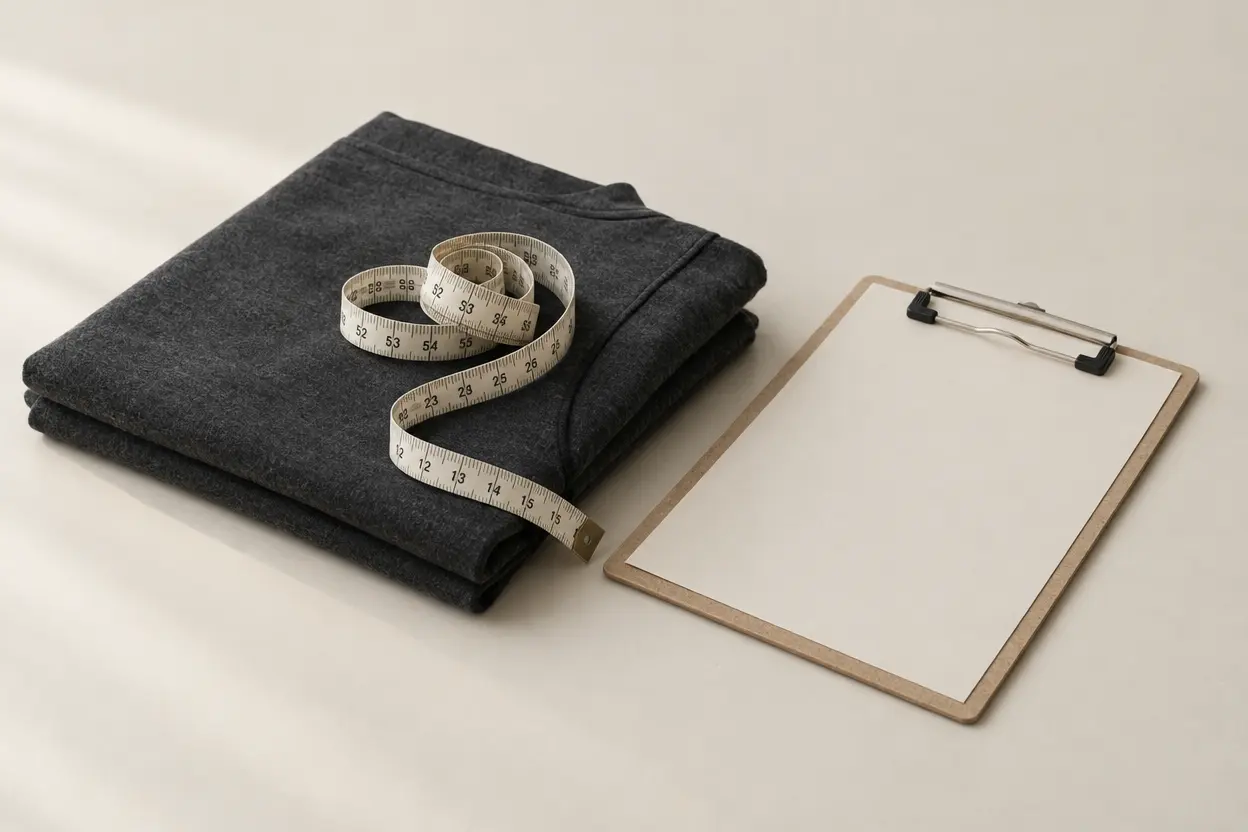
Hands stretching a tape measure across the chest of a black hoodie on a light table

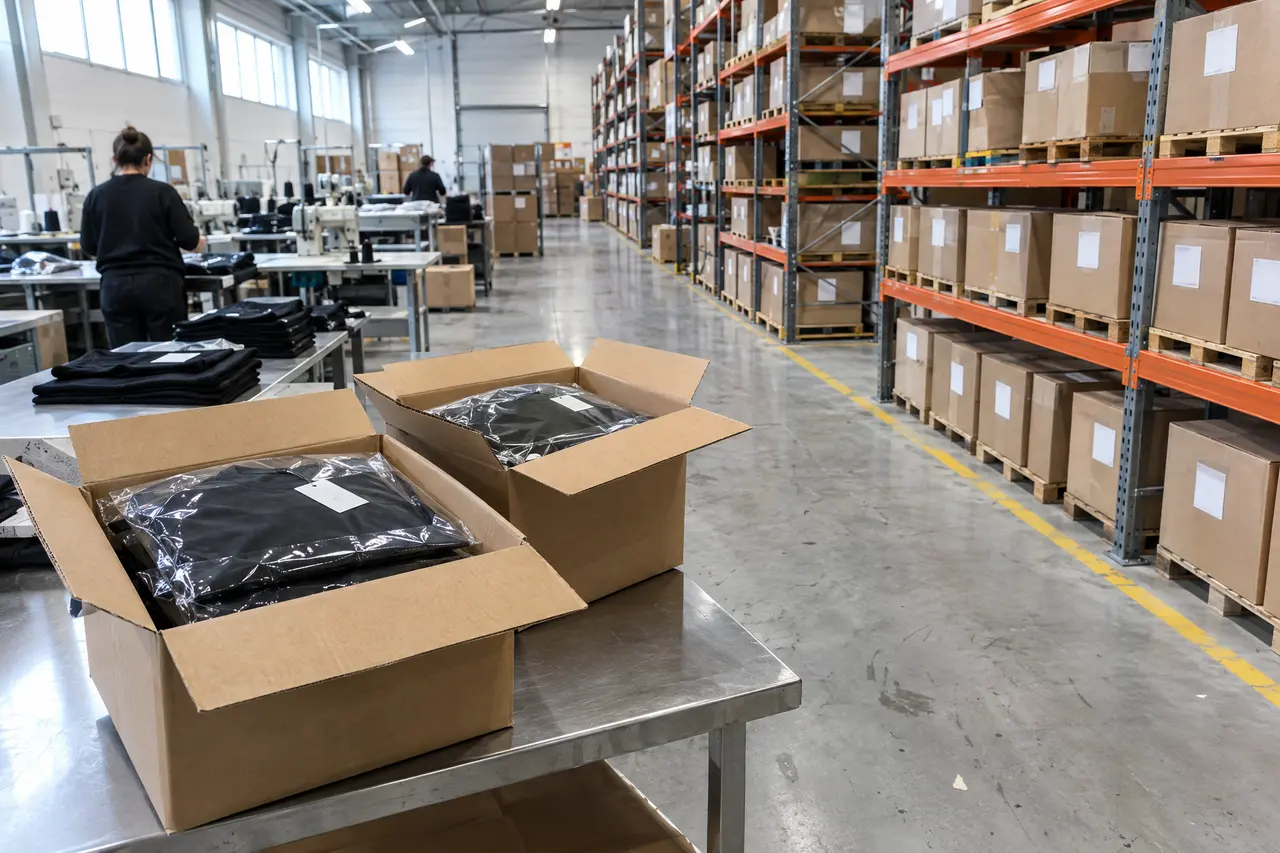
Quality checks run from incoming fabric inspection through in-line checks during sewing to a final inspection before packing, against the tolerances agreed at sampling.

Stages
Incoming fabric, in-line, final inspection
Standard
AQL based, see Inspection page

In detail

  1. 01

    Every check is logged against the order, so any issue can be traced to the stage it started at.

Production from

50 pieces per style

Every quote

Written, priced per piece

Before bulk

You approve a sample

Quality assurance that starts before the first stitch, not after the last one

Quality assurance is the set of checks and agreements that make a garment come out the way you expect. It is different from inspection, which looks at finished goods. Quality assurance starts earlier: with a clear specification, an approved sample, agreed tolerances and checks at the stages where problems are cheapest to fix. Buyers who rely only on a final check often find problems when it is too late to correct them.

This page explains how quality assurance works across a garment order, what we agree with you at the start, which checks matter at which stage, how defects are classified, what to do when something does not meet the specification and how documents and approvals are kept. It is written for brand owners and procurement teams who want predictable results. We arrange quality assurance as part of a complete garment order.
Have a design or an idea?

Send it and get a written quote.

Request a quote

Start with a clear specification

Most quality problems begin with an unclear brief. A good specification covers the fabric, the construction, the measurements with tolerances, the colours, the trims, the labels, the decoration, the packing and the standards you expect. It is written down, and both sides agree to it before production.

  • Measurements a size chart with agreed tolerances for each point of measure.
  • Fabric and trims composition, weight, colour and any performance requirements.
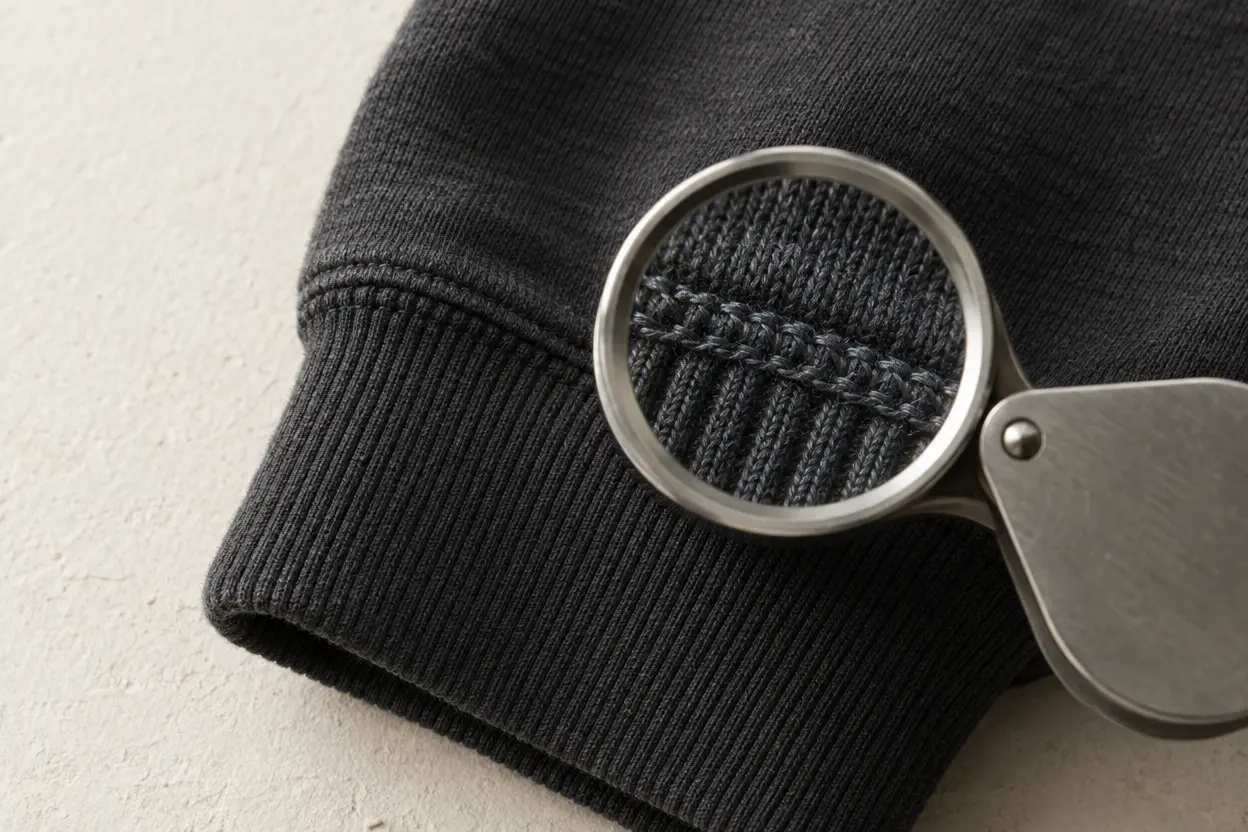
  • Construction stitch types, seam finishes and reinforcement points.
  • Appearance standards what counts as an acceptable and an unacceptable flaw.
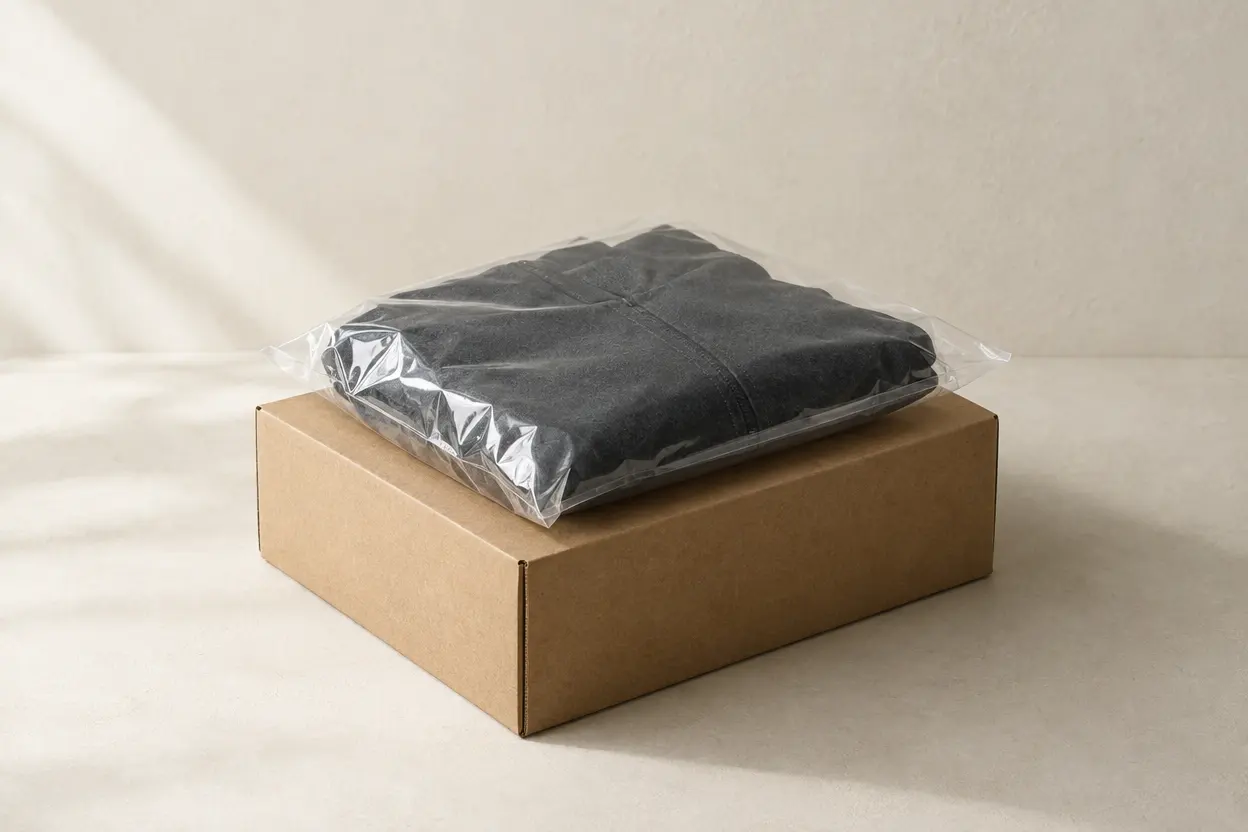
  • Packing and labelling folding, bags, labels and carton marks.

The clearer the specification, the fewer disagreements later.

The approved sample as the reference

The approved sample is the benchmark for the whole order. Before bulk, you review and approve a sample that reflects the fabric, the construction, the colour, the decoration and the labels. We keep that sample as the reference, and bulk garments are checked against it.

If you change something after approval, such as a colour or a trim, tell us in writing, because the sample no longer matches the order. We would rather confirm a change on a new sample than discover a difference at the end. Where possible, a pre-production sample made from the real bulk fabric gives a reliable reference.

Checks at the stages that matter

Problems are cheapest to fix early. A quality plan places checks where they have the most effect.

  1. 01

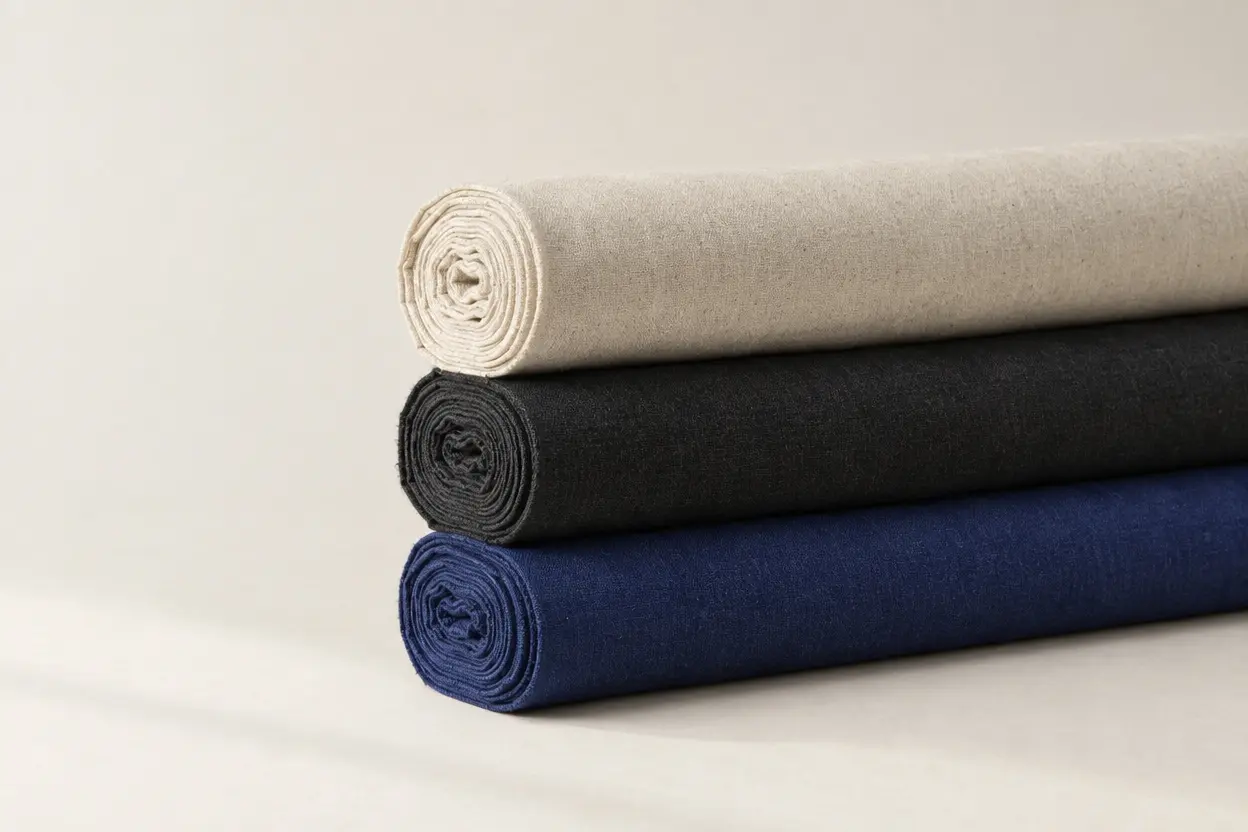
    Incoming materials fabric and trims are checked for colour, weight, defects and consistency before cutting.

  2. 02

    Cutting pieces are checked for accuracy and shade matching within a garment.

  3. 03

    During sewing in-line checks catch construction problems early, while a fix is still easy.

  4. 04

    Washing and finishing shrinkage, colour and feel are checked against the approved sample.

  5. 05

    Final inspection finished garments are checked for measurements, appearance, labels and packing.

Our inspection page explains the final stage in more detail.

See the garment before you commit.

Order a physical sample in your fabric and fit. Bulk production starts only after you approve it.

How defects are classified

Not every flaw is equal, and a clear classification avoids arguments. Defects are commonly grouped into critical, major and minor. A critical defect makes a garment unsafe or unusable, such as a broken needle left in the garment. A major defect is likely to cause a customer to reject the item, such as a wrong size label or a hole. A minor defect is a small flaw that would not normally affect use, such as a loose thread.

A sampling plan decides how many pieces are checked and how many defects of each type are acceptable. We agree the plan with you before inspection, so that everyone understands the standard. We do not promise that no defect will ever occur, because no process can, but we make sure the standard is clear and that checks happen when they can still make a difference.

Testing and compliance

Some properties cannot be judged by looking, such as colourfastness, shrinkage, seam strength or restricted substances. Where your product or market needs test evidence, tell us early. We can coordinate testing through independent laboratories and help you understand which tests are relevant. Our laboratory testing coordination page explains how this works.

We do not make compliance or certification claims that cannot be shown. If a product needs to meet a particular requirement, we recommend that it is tested and documented, and we help you keep the paperwork organised.

What happens when something is wrong

Even with good planning, problems can occur. What matters is how they are handled. If an issue is found during production, we tell you promptly, explain the cause and propose a solution, which might be rework, replacement or a revised plan. If an issue is found at inspection, we show you the evidence, such as photos and measurements, and agree the action.

We keep records of specifications, approved samples, inspection results and changes, so that decisions are based on facts. This also makes repeat orders more consistent, because lessons from the first order are carried into the next.

Tell us about your quality needs

Tell us the product, the quality standard you expect, any tests your market requires and the quantity. We will respond in writing with a quality plan, what we need to confirm and how the sample step works. Made-to-order starts from 50 pieces per style. We sell to business customers only.

Process

From first message to delivery.

Six steps, each confirmed in writing. Nothing goes into bulk production before you approve the sample.

  1. 01

    Enquiry

    Send your idea, tech pack or a reference garment through the quote form or by email.

    Day 1

  2. 02

    Quote and tech pack

    We confirm fabric, sizes, decoration and price per piece in writing.

  3. 03

    Sample

    A physical sample in your fabric and fit, sent to you for review.

  4. 04

    Approval

    You approve the sample or request changes. Bulk production starts only after your approval.

  5. 05

    Production and quality checks

    Bulk production with quality checks against the approved sample.

  6. 06

    Delivery

    Packed to your specification and shipped to your delivery address.

Inventory

Need garments now? Buy from inventory.

  • From 1 piece, any size or colour
  • Ready garments in our German warehouse
  • Live piece counts per size and colour
  • One quote request for the whole basket

Production

Your own design? Produce with us.

  • Selected projects from 50 pieces
  • Start from a sketch, tech pack or reference garment
  • Physical sample before bulk production
  • Every step confirmed in writing

Talk to us

Tell us what you need

Two lines are enough to start. A person on our team reads every message and replies in writing. We reply in writing within 24 hours.

Need to give quantities and a product category? Request a quote

Send us your brief. Get a clear answer.

Quantity, fabric, decoration and timeline. We confirm in writing what is possible, what it costs per piece and when it ships.