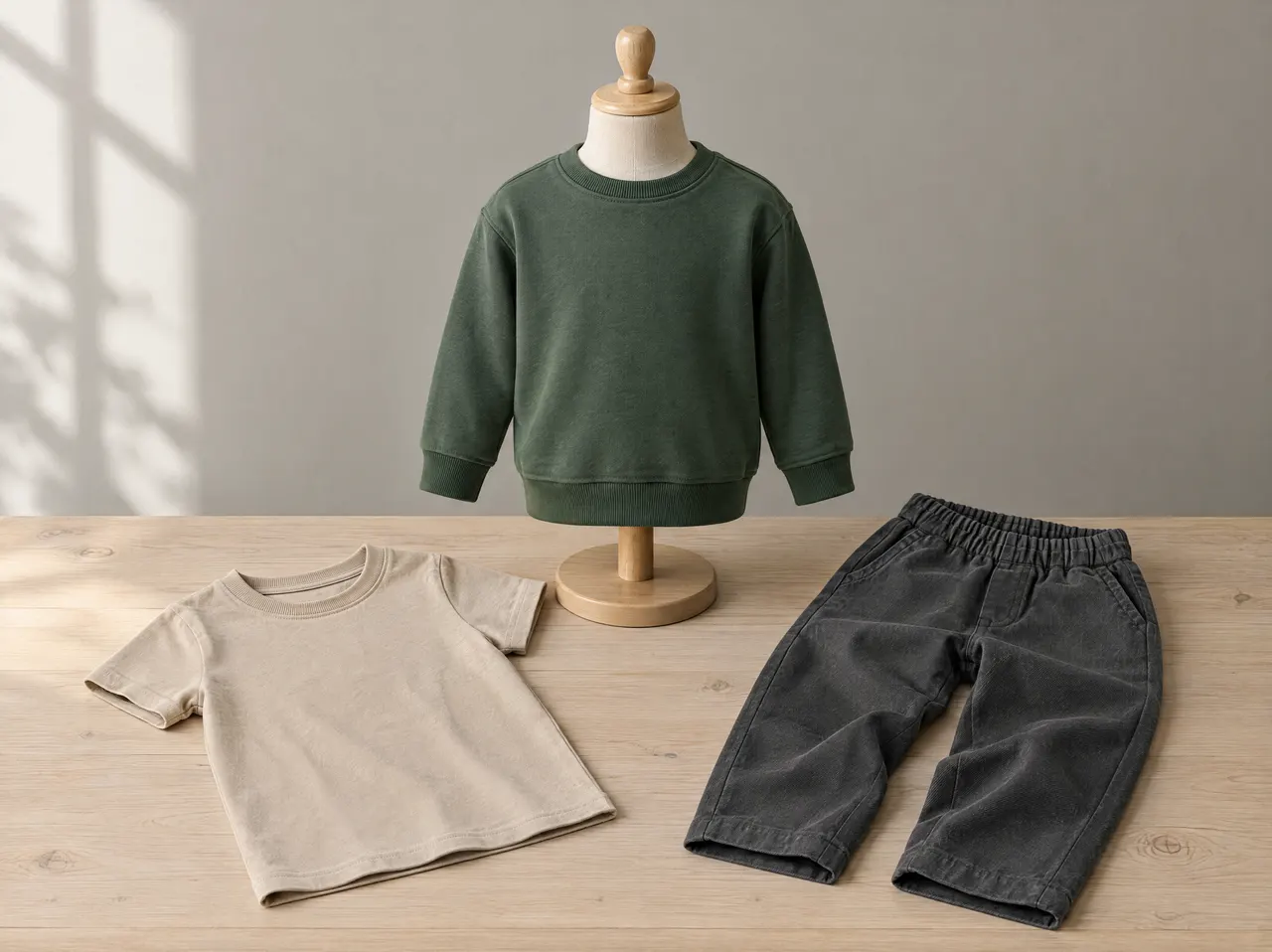
Capability

Grading: one approved sample, a full size range.

Production
Selected projects from 50 pieces
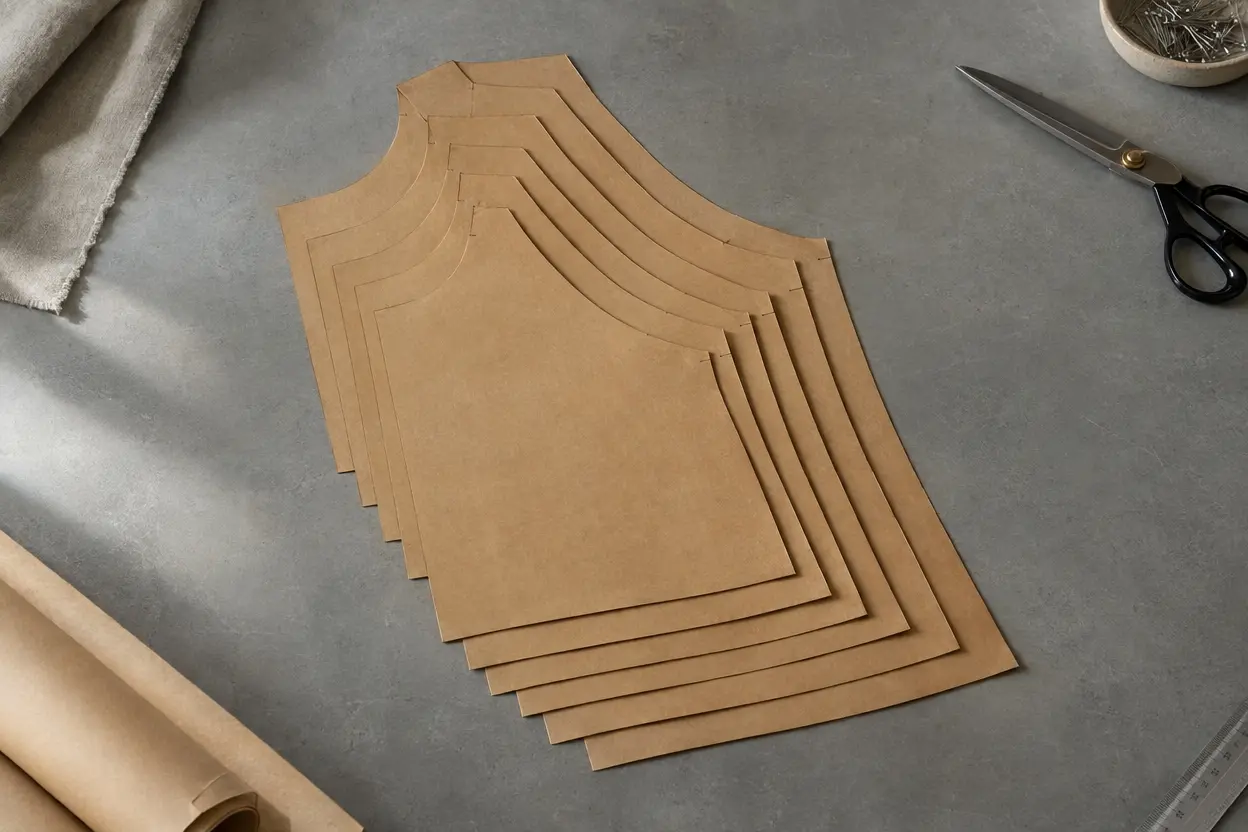
Nested kraft paper patterns of one garment piece in graduated sizes with a set square

Grading scales the approved base size up and down across your size range, using defined increments for each measurement point.

Typical range
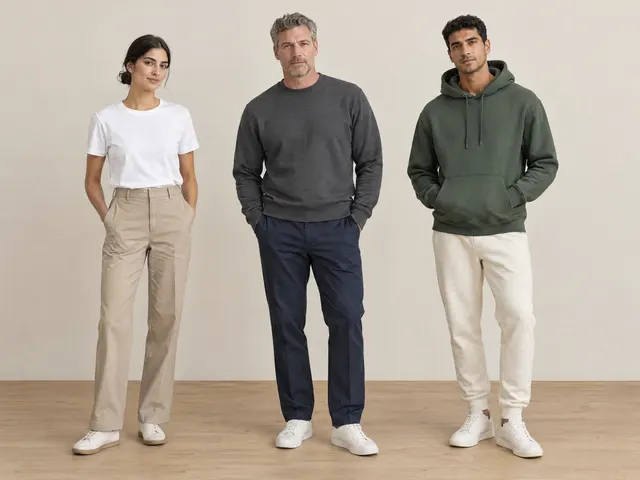
XS to 3XL
Custom size sets
On request

In detail

  1. 01

    The graded measurements go into the tech pack, so inspection checks every size against the same numbers.

Production from

50 pieces per style

Every quote

Written, priced per piece

Before bulk

You approve a sample

Grading is how one approved garment becomes a full size run that still looks like itself

Once a pattern fits well in one size, the next job is to make it in every other size you plan to sell. That is grading: scaling the pattern up and down so each size keeps the proportions, balance and character of the original. Done badly, a medium looks right and an extra large looks like a different garment. Done well, the whole range feels like one product.

This page explains what grading is, how size steps are set, why it is not simple scaling, what to decide before you start and how grading connects to sampling and bulk production. It is written for brands and buyers who want a consistent size run.
Have a design or an idea?

Send it and get a written quote.

Request a quote

What grading is

Grading takes a base size, usually the size that was fitted and approved, and creates the other sizes from it by adding or removing set amounts at specific points. Chest, waist, hip, shoulder width, sleeve length and garment length change by different amounts, and those amounts are called grade rules.

  • Base size the size fitted and approved on the first sample.
  • Grade rules the increments between sizes at each point of measure.
  • Size range the sizes you plan to offer, such as XS to XXL.
  • Fit logic how proportions change as the body size changes.

The result is a set of patterns, one for each size, that behave consistently.

Why it is not just scaling

Bodies do not scale evenly. A larger size is not simply a bigger copy of a smaller one: shoulders widen less than chests, sleeves lengthen by smaller steps than torsos and necklines need to stay in proportion to the face. If a pattern were scaled by a single percentage, the neck would become too wide in large sizes and too tight in small ones.

We set grade rules for your product type and fit style, and review them on sample garments, not only on paper.

Size steps and ranges

Size steps are the differences between one size and the next, and they depend on the product and market. A t-shirt may step by 4 to 6 centimetres in chest between sizes. Children's sizes step by smaller amounts. Trousers step in waist and hip with a different logic from tops.

  1. 01

    Decide your size range, from smallest to largest.

  2. 02

    Decide whether you want standard or extended sizing.

  3. 03

    Choose the size step for each point of measure.

  4. 04

    Decide which sizes are fitted for approval.

  5. 05

    Confirm the markets, since size conventions differ between countries.

We help you set these early, so that the pattern is graded once, correctly.

See the garment before you commit.

Order a physical sample in your fabric and fit. Bulk production starts only after you approve it.

Checking the extremes

The largest and smallest sizes are where grading problems show first. A sleeve that is right in a medium may be too short in an extra large. A neckline that sits well in a small may gape in a large. We recommend sampling at least the base size and one extreme, and checking measurements on the finished garments.

If you plan an extended size range, or if your customers vary a lot in build, tell us at the start. It may be worth fitting more than one size before bulk, to be sure the proportions hold across the run.

Grading for knits, wovens and stretch

Grading behaves differently across fabrics. Knits stretch, so grade steps can be smaller and the garment still fits across a wider body range. Wovens do not stretch, so grading needs more care to keep proportions accurate. Stretch fabrics need to account for how much the cloth gives at each size.

Shrinkage also matters, because a fabric that shrinks differently in length and width changes the finished measurements. We account for it when setting measurements, and we check the sizes after washing a sample.

How grading fits the process

Grading comes after the base pattern is approved. A first sample in the base size is fitted and revised until you are happy. The pattern is then graded across the size range, and the graded pieces are checked against the measurement chart. Bulk cutting uses the graded patterns, and quality checks measure finished garments against the size specification.

Because the graded patterns are kept on file, a reorder uses the same size run, and any later change, such as adding a size, can be made without starting again.

Start with the size range you plan to sell

Tell us the garment, the size range, the markets and your base fit. We will respond in writing with questions and a suggested route. A sample in the base size is the first step, and made-to-order starts from 50 pieces per style. Our pattern making, custom sizing and sample development pages explain the neighbouring steps.

Process

From first message to delivery.

Six steps, each confirmed in writing. Nothing goes into bulk production before you approve the sample.

  1. 01

    Enquiry

    Send your idea, tech pack or a reference garment through the quote form or by email.

    Day 1

  2. 02

    Quote and tech pack

    We confirm fabric, sizes, decoration and price per piece in writing.

  3. 03

    Sample

    A physical sample in your fabric and fit, sent to you for review.

  4. 04

    Approval

    You approve the sample or request changes. Bulk production starts only after your approval.

  5. 05

    Production and quality checks

    Bulk production with quality checks against the approved sample.

  6. 06

    Delivery

    Packed to your specification and shipped to your delivery address.

Inventory

Need garments now? Buy from inventory.

  • From 1 piece, any size or colour
  • Ready garments in our German warehouse
  • Live piece counts per size and colour
  • One quote request for the whole basket

Production

Your own design? Produce with us.

  • Selected projects from 50 pieces
  • Start from a sketch, tech pack or reference garment
  • Physical sample before bulk production
  • Every step confirmed in writing

Talk to us

Tell us what you need

Two lines are enough to start. A person on our team reads every message and replies in writing. We reply in writing within 24 hours.

Need to give quantities and a product category? Request a quote

Send us your brief. Get a clear answer.

Quantity, fabric, decoration and timeline. We confirm in writing what is possible, what it costs per piece and when it ships.