Capability

Dyeing to a colour standard, lot after lot.

Production
Selected projects from 50 pieces
Lengths of navy and olive fabric hanging over rails to dry above a wet floor

Fabrics are dyed to an approved colour standard, either piece dyed before sewing or garment dyed after sewing for a washed look.

Methods
Piece dyeing, garment dyeing
Colour check
Against the approved lab dip

In detail

  1. 01

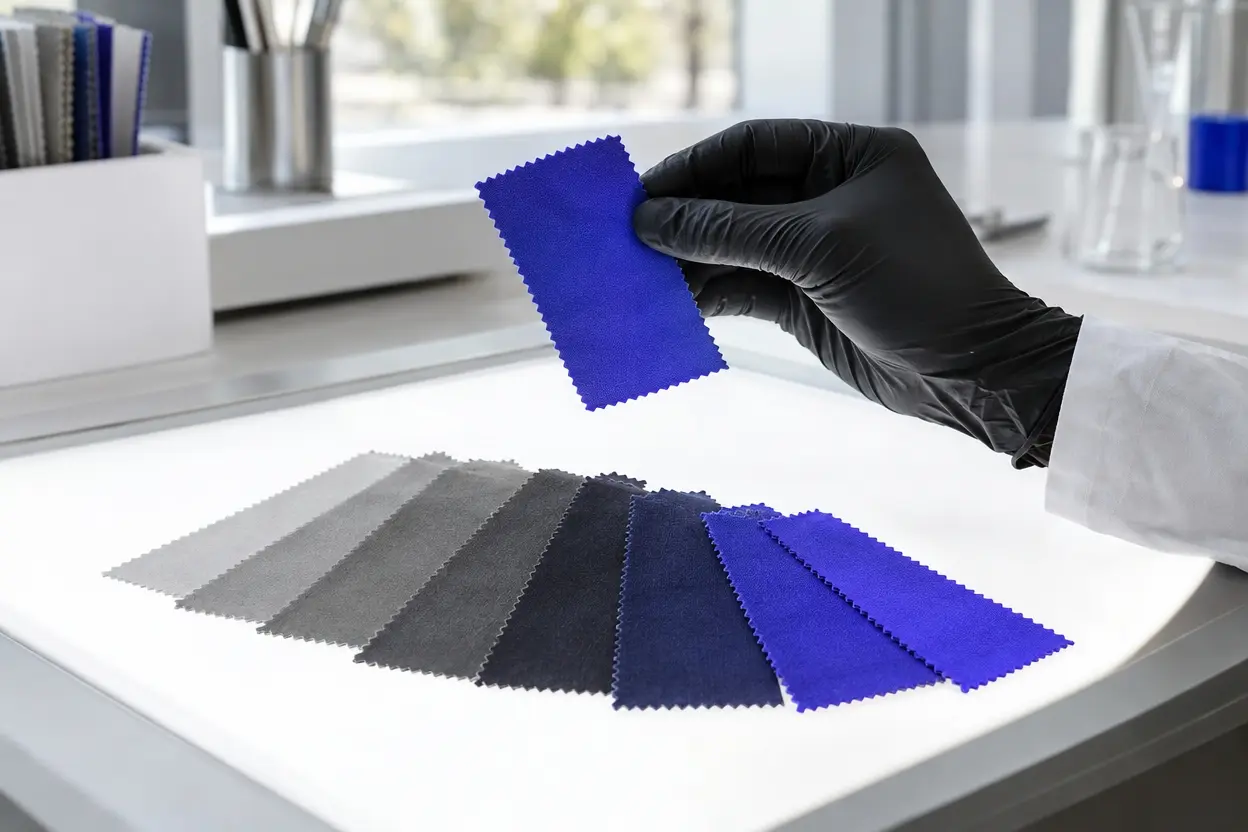
    Colour is checked under standard light sources against the approved lab dip, and colourfastness is tested on each dye lot.

Designs made by us

Choose a design as your starting point. We make it in your colours, fabrics and branding.

Your colours. Your fabrics. Your branding. Request a quote → 87 See all 87 designs

Production from

50 pieces per style

Every quote

Written, priced per piece

Before bulk

You approve a sample

Dyeing is chemistry that you see, and colour is the first thing a customer judges

Before a customer reads a label or feels a seam, they see the colour. A colour that is slightly off, fades after a few washes or looks different from one garment to the next undermines a product more than almost any other fault. Dyeing is the process that puts colour into fibre, yarn or fabric, and it is where much of the technical skill in textiles sits.

This page explains the main ways textiles are dyed, how fibre type decides the dye, what colour fastness means and how to test it, how to manage colour consistency across lots and what to tell us when colour matters to your product. It is written for buyers who want colours that look right and stay right.
Have a design or an idea?

Send it and get a written quote.

Request a quote

When in the process colour is added

Colour can be added at different stages, and the stage affects look, cost and flexibility.

  • Fibre-dyed colour is added before spinning, giving blended, melange effects.
  • Yarn-dyed yarn is dyed before weaving or knitting, used for stripes, checks and denim.
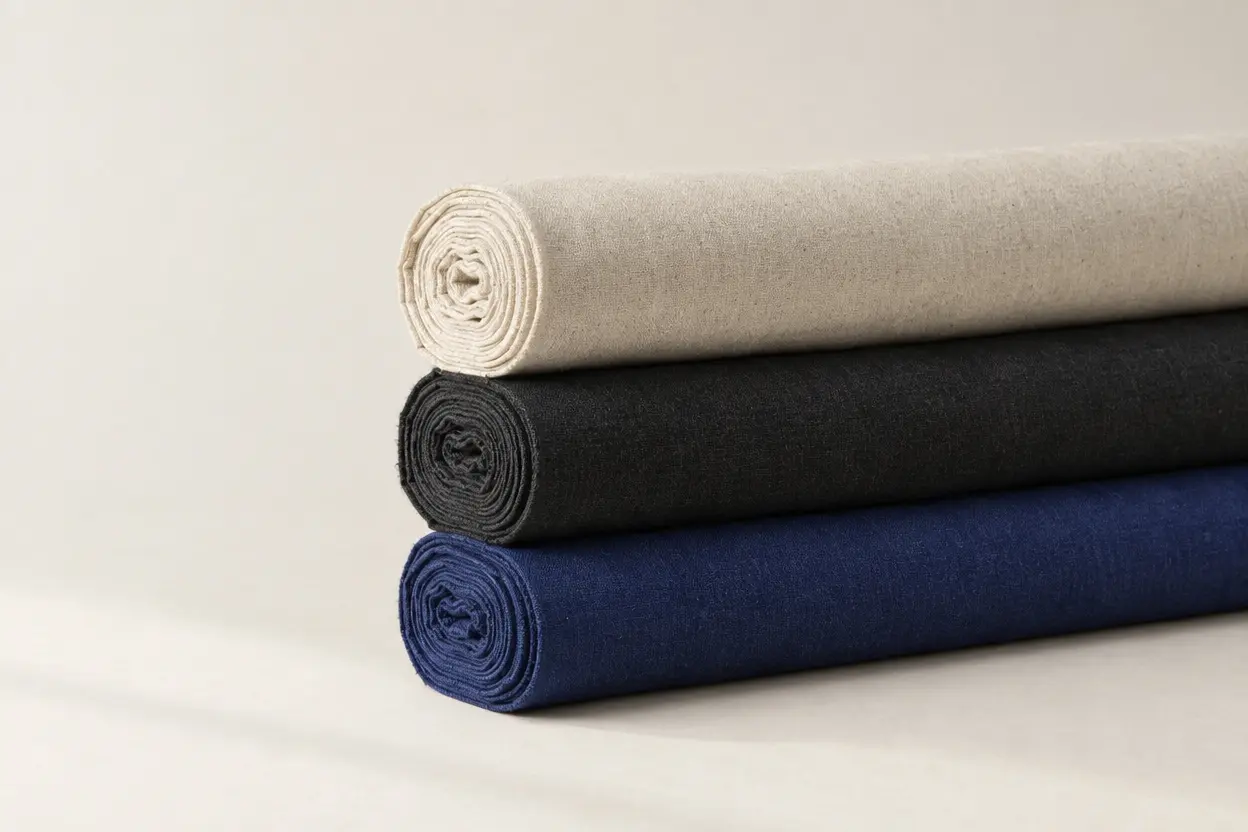
  • Piece-dyed finished fabric is dyed in the roll, the most common method for plain colours.
  • Garment-dyed the finished garment is dyed, giving a soft, lived-in look.
  • Printed colour is applied to the surface in a pattern.

Each stage has its own trade-offs between colour depth, consistency, minimum quantities and flexibility.

Dyes and fibres

Different fibres need different dyes, and this is why blends are harder to colour than single fibres.

  1. 01

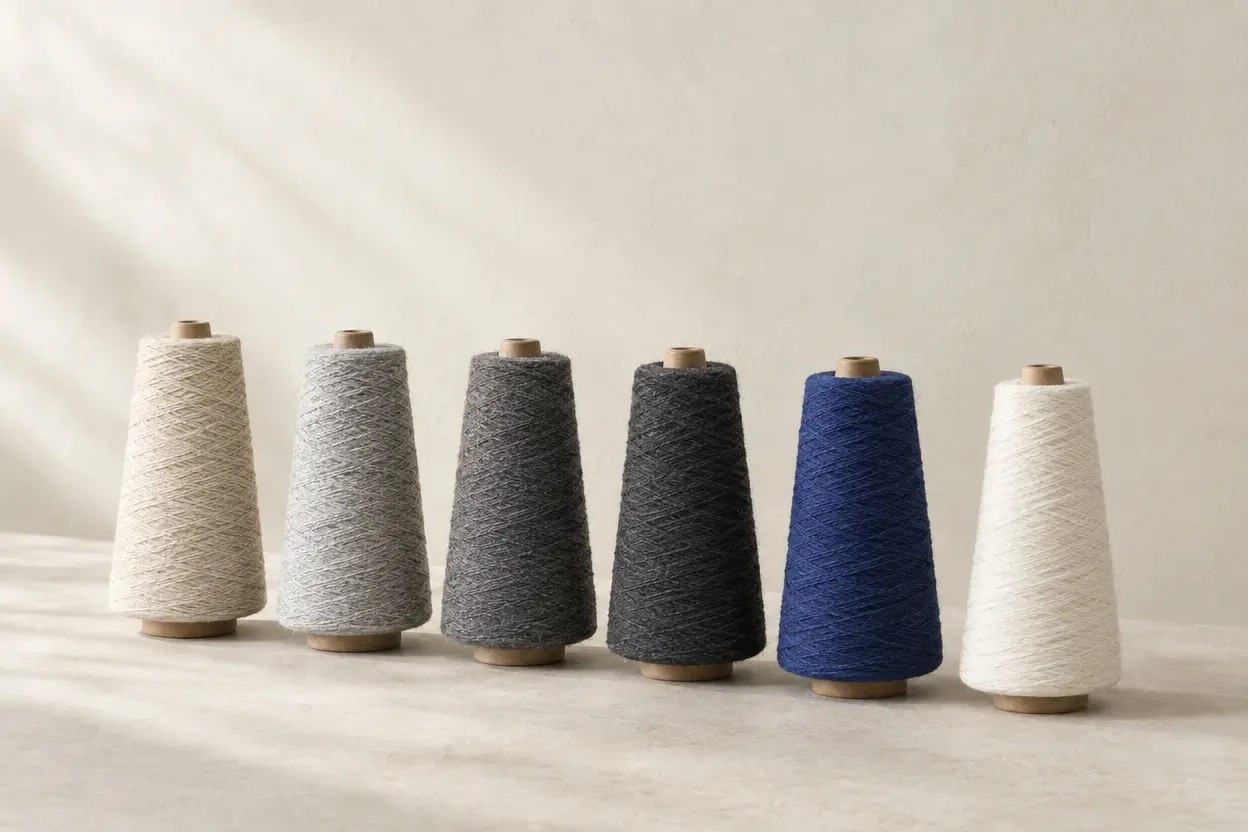
    Cotton and other cellulose fibres are commonly dyed with reactive dyes, which bond to the fibre and give good wash fastness.

  2. 02

    Polyester is dyed with disperse dyes at high temperature, giving strong, stable colour.

  3. 03

    Nylon and wool use acid dyes.

  4. 04

    Blends need either a dye for each fibre, or a deliberate choice to colour only one, giving a melange look.

Pigment dyeing is a different approach, in which colour sits on the fibre surface, giving a softer, more faded look with lower fastness.

Colour fastness explained

Colour fastness is the ability of a colour to resist change. It is tested in several ways, because colour can fail in several ways.

  • Wash fastness does the colour fade or bleed in washing?
  • Rubbing fastness does colour transfer when the surface is rubbed, wet or dry?
  • Light fastness does colour fade in sunlight?
  • Perspiration fastness does colour change with sweat?

Dark and bright colours are the most demanding, and some, such as deep reds and navy, are particularly hard to hold. We recommend testing fastness for the colours and fabrics you intend to use, and we coordinate laboratory testing where a report is needed.

See the garment before you commit.

Order a physical sample in your fabric and fit. Bulk production starts only after you approve it.

Lab dips, standards and colour approval

A lab dip is a small swatch dyed to match your colour reference, which you approve before bulk dyeing begins. It is the cheapest point to correct a colour. Colour is judged against a reference such as a physical swatch or a colour system, ideally under the same light, since colours can look different under different lighting.

  1. 01

    Provide a clear colour reference.

  2. 02

    Review the lab dip in daylight and in the light your customers will see it in.

  3. 03

    Approve, or comment with direction such as slightly warmer or less red.

  4. 04

    Confirm the approved colour is recorded.

Bulk fabric is then checked against the approved lab dip before cutting.

Consistency across lots and reorders

Dye lots vary. Two batches of the same colour, dyed at different times, can differ slightly, which shows when two garments are placed side by side. This matters most for basics, uniforms and anything sold in sets.

We manage this by recording the lot used, keeping an approved reference and checking bulk against it. Where small variation is natural, we tell you in advance, so you can plan reorders and replacements. For garments that must match exactly, ask about cutting from a single dye lot.

Dyeing and its environmental questions

Dyeing uses water, energy and chemicals, and buyers increasingly ask how those are managed. We cannot answer for every supplier in general terms, but we can tell you what documentation exists for the dyeing of a particular fabric, such as chemical limits tested or certificates held, and we coordinate testing where a requirement applies.

If your customers require limits on certain substances, tell us at the start. Fewer colours, simpler shades and pre-treated fabrics all reduce the dyeing burden, and honest conversation about what is documented is more useful than general reassurance. Our sustainability page explains our approach to claims.

Start with a colour reference

Send us a swatch, a colour code or a reference garment for each colour you need, along with the fabric and quantity. We will respond in writing with what is feasible, any minimums and a lab dip plan. A development sample lets you judge colour in a real garment. Made-to-order starts from 50 pieces per style.

Process

From first message to delivery.

Six steps, each confirmed in writing. Nothing goes into bulk production before you approve the sample.

  1. 01

    Enquiry

    Send your idea, tech pack or a reference garment through the quote form or by email.

    Day 1

  2. 02

    Quote and tech pack

    We confirm fabric, sizes, decoration and price per piece in writing.

  3. 03

    Sample

    A physical sample in your fabric and fit, sent to you for review.

  4. 04

    Approval

    You approve the sample or request changes. Bulk production starts only after your approval.

  5. 05

    Production and quality checks

    Bulk production with quality checks against the approved sample.

  6. 06

    Delivery

    Packed to your specification and shipped to your delivery address.

Inventory

Need garments now? Buy from inventory.

  • From 1 piece, any size or colour
  • Ready garments in our German warehouse
  • Live piece counts per size and colour
  • One quote request for the whole basket

Production

Your own design? Produce with us.

  • Selected projects from 50 pieces
  • Start from a sketch, tech pack or reference garment
  • Physical sample before bulk production
  • Every step confirmed in writing

Talk to us

Tell us what you need

Two lines are enough to start. A person on our team reads every message and replies in writing. We reply in writing within 24 hours.

Need to give quantities and a product category? Request a quote

Send us your brief. Get a clear answer.

Quantity, fabric, decoration and timeline. We confirm in writing what is possible, what it costs per piece and when it ships.