









Guide
Ordering clothing in the EU: delivery, customs and VAT basics
A general guide to delivery, customs and VAT when a brand orders clothing in the EU. It explains the concepts, not the rates, so you know what to ask before you order.
2026-10-30
Short answer
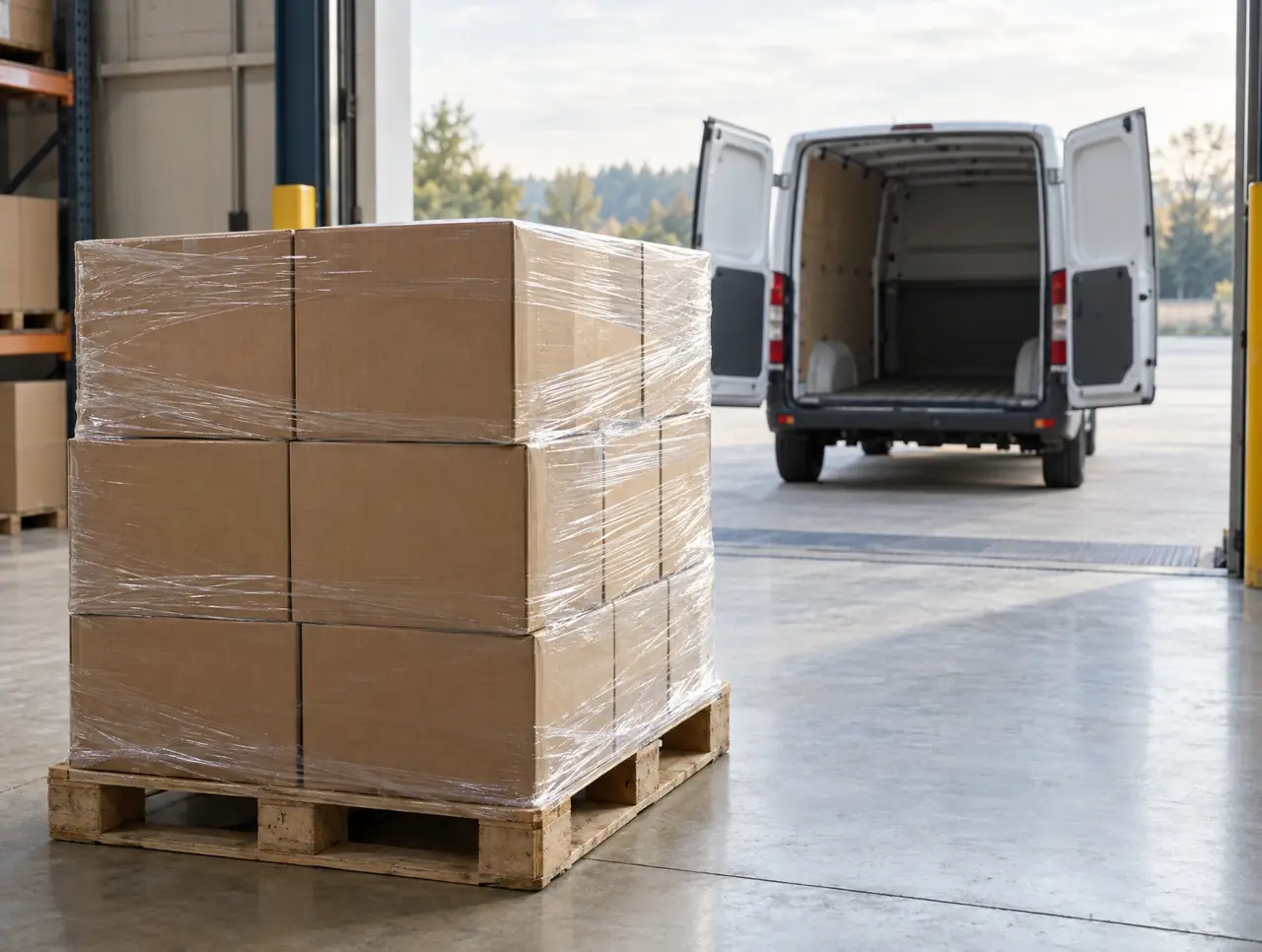
How much customs and tax work you face depends on where the goods are when you buy them. Stock already in the EU is dispatched within the EU. Production shipped from outside the EU normally has to be cleared through customs and may attract import VAT. This guide covers the general ideas only. Rules change, so confirm the details with a customs broker or tax adviser.
Stock in the EU versus production from outside the EU
There are two different situations, and it helps to keep them apart.
What happens when I buy ready stock?
In the first, you buy ready stock that is already inside the EU. At Daylo Casuals, ready stock is available from 1 piece and is dispatched from our warehouse near Frankfurt, with its own delivery. Because the goods are already in the EU, they move as a domestic or intra-EU delivery and there is no import step for you.
What happens when I order production?
In the second, you order custom, private label or white label production. Depending on the project, finished goods can be shipped to the EU from outside it. In that case the goods cross the EU border, and someone has to deal with customs formalities. Production delivery is agreed in the written quote, so the quote should tell you how the goods will arrive and who is responsible for each step. Our logistics and export page gives more background.
Customs clearance in plain words
Customs clearance is the process of declaring goods to the authorities when they enter the EU.
What does a customs declaration contain?
The declaration describes what the goods are, what they are worth, how much they weigh, and where they come from. Customs may charge duty and import VAT, and may ask for documents, such as an invoice and a packing list.
Why does the commodity code matter?
Clothing is classified under a commodity code, and the right code depends on the garment type, the material and how it is made. Getting the code right matters because it affects what is charged. A customs broker normally handles this for you. We do not give duty rates here, because they depend on the product, the origin and current rules, and they can change.
Import VAT
Import VAT is a tax collected when goods enter the EU.
Can I recover import VAT?
For a business that is registered for VAT, it is often recoverable through its normal VAT return, but this depends on the country and on your own situation.
How does import VAT affect cash flow?
The key practical point is cash flow: the tax is usually due at the border or soon after, before you have sold the goods. Plan for this in your budget and timing. Ask your broker or adviser how import VAT works in the country where the goods will arrive, and who will pay it at the time of clearance.
Incoterms in plain words
Incoterms are standard terms that say who does what and who pays for what in a delivery. They split responsibility for transport, insurance, export and import formalities, and the point where risk passes from seller to buyer.
What do the main groups of terms mean?
In rough terms, some terms leave most of the work with the buyer, for example collecting the goods at the seller's door. Others have the seller arrange transport to a named place. A further group has the seller deliver to your door with duties and taxes already handled. The same price can mean very different things under different terms, so you cannot compare two quotes without knowing which term each one uses.
What if I have no freight forwarder or broker?
If you do not have a freight forwarder or customs broker, say so when you enquire. It is much easier to choose terms that suit you at the start than to sort out a problem when the goods are at the border.
VAT IDs and the reverse-charge idea
For business-to-business sales within the EU, a valid VAT ID from the buyer is generally important. In certain cross-border cases, a mechanism called reverse charge can apply, where the buyer rather than the seller accounts for the VAT.
Does reverse charge apply to my order?
Whether it applies depends on the countries involved, the type of supply and the facts of your order. Do not assume it applies to you. Check your VAT ID is valid, share it when you ask for a quote, and confirm the treatment with a tax adviser.
Why the written quote states delivery terms
A written quote is priced per piece and should also say how and when the goods will be delivered, which terms apply, and what is and is not included. This stops surprises later. If a quote leaves out transport or customs, the cost still exists, it just lands on you at a bad moment.
Before you accept a quote, check the delivery terms, the delivery timing, who clears customs, who pays import VAT and any duties, and who is responsible if the goods are delayed or damaged. If anything is unclear, ask for it in writing. For the wider ordering path, see our guide on how to order custom clothing.
Questions to settle before you order
A short list of questions saves most of the trouble.
Which delivery questions should I ask first?
Where will the goods be when you buy them, in the EU or outside it? Which delivery terms will the quote use, and does the price include transport to your address? Who will act as the importer, and who will file the customs declaration? Will you need a customs broker, and do you already have one?
How do I avoid customs delays?
Customs can add days, especially for a first shipment, and missing or inconsistent documents cause most delays. Make sure the invoice, the packing list and the product descriptions agree with each other, and that your company name, address and VAT ID are written the same way everywhere. Allow for this when you read our guide to production lead times.
Which records should I keep?
Save the written quote, the order confirmation and the delivery documents, because your accountant and your broker will both ask for them. If you have questions on how we work, the FAQ is a good next stop.
Frequently asked questions
Do I pay import duty on ready stock?
Ready stock is dispatched from our warehouse near Frankfurt within the EU, so there is no import step. Delivery for stock is handled separately from production orders.
Who handles customs for a production order?
That depends on the terms agreed in the written quote. Ask us to state clearly who is responsible, and use a customs broker if you have no in-house experience.
What are the duty rates for clothing?
We do not state them, because they depend on the product, the origin and the rules at the time. A customs broker can tell you the current position.
How soon will I get a reply to an enquiry?
We reply to enquiries in writing within 24 hours.
Send us your brief with your delivery address, your VAT ID if you have one and your quantities, using the quote request, and we will reply in writing within 24 hours with a written quote that states the delivery terms. If you need goods quickly, ready stock is available from 1 piece.
Request a quote · Browse ready stock · See the designs we make